Mitigating Techflation: Strategies for a More Accessible Future
Posted 9/18/2026 1:30PM ET read more New York Times
The rising costs of technology goods and services have been a significant concern for consumers and businesses alike. As demand for new and innovative products continues to grow, manufacturers are facing increased production costs. This trend not only affects the price tags on cutting-edge gadgets and software solutions but also has broader implications for accessibility and market competition.
Consumers today are witnessing firsthand the impact of these rising costs in their everyday purchases, from smartphones to smart home devices. With each new technology released, the price often reflects the advancements and features packed into these products, creating a dilemma for budget-conscious buyers.
Moreover, the charge in pricing can create barriers to entry for smaller firms looking to compete in the tech space. As development costs soar, these companies may struggle to offer competitive pricing, limiting innovation and choice for consumers.
In conclusion, while the tech industry is known for its rapid evolution and exciting breakthroughs, the accompanying rise in costs warrants attention. Understanding these dynamics is crucial for navigating the future landscape of technology products and services.
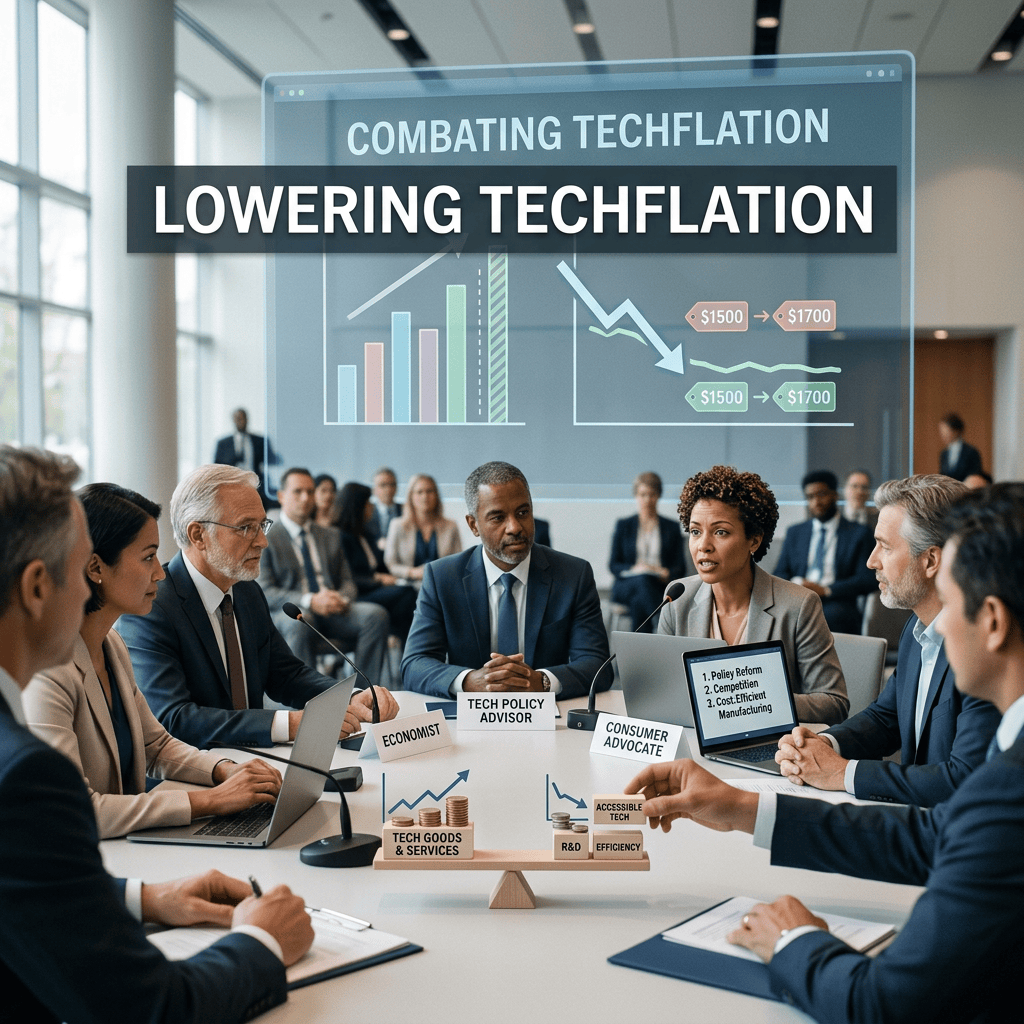
Lowering Techflation in Today’s Economic Era
The rising costs of technology goods and services have become a significant concern for both consumers and businesses. As demand for new and innovative products continues to surge, manufacturers are grappling with increased production costs. This trend has far-reaching implications, affecting not only the price tags of cutting-edge gadgets and software solutions but also impacting accessibility and market competition.
Understanding the Rise in Costs
Consumers today are experiencing the direct consequences of rising prices in their everyday purchases, from smartphones to smart home devices. Each new technology release often comes with a higher price, reflecting the advancements and features integrated into these products. This increase poses a dilemma for budget-conscious buyers who are striving to keep pace with the latest innovations while managing their financial constraints.
Furthermore, the pricing surge can create substantial barriers to entry for smaller firms attempting to compete in the tech space. As development costs climb, these companies may find it increasingly difficult to offer competitive pricing, which in turn limits innovation and consumer choice. The landscape becomes challenging, where only larger corporations can afford the associated expenses of research, development, and production.
Implications for Accessibility and Competition
The phenomenon of “Techflation” not only complicates consumer decisions but also influences the broader market dynamics. With higher costs, the disparity between premium products from established brands and affordable options grows, potentially alienating segments of the population who cannot afford the latest technologies. This imbalance stifles diversity and innovation, as emerging companies struggle to gain traction against industry giants.
Strategies for Lowering Techflation
Addressing the rising costs in technology requires a multifaceted approach. Key strategies include:
- Promoting Competition: Encouraging competition in the tech space can drive innovation and reduce prices. Policymakers can facilitate this by supporting startups and small businesses through grants and subsidies.
- Enhancing Efficiency: Companies can focus on optimizing their supply chains and production processes to reduce costs. Adopting lean manufacturing principles and investing in automation may lead to significant savings.
- Fostering Accessible Innovation: Providing funding and resources for research into cost-effective technologies can spur the development of products that are not only cutting-edge but also affordable. Collaborations between academic institutions and private companies may yield breakthroughs that lower production costs.
Conclusion
In conclusion, while the tech industry is renowned for its rapid evolution and groundbreaking advancements, the rising costs associated with these innovations demand strategic attention. Understanding the dynamics of Techflation is essential for navigating the future landscape of technological products and services. Through promoting competition, enhancing efficiency, and fostering accessible innovation, stakeholders can work together to mitigate the effects of rising costs, ultimately leading to a more inclusive tech market.
Read more via New York Times
 Media Air Base LLC
Leave a comment