Resolving the Student Debt Crisis: Empowering Generation Z for Financial Freedom
Posted 9/12/2026 3:40PM ET read more via Financial Times
In a recent statement, Andy Burnham shed light on an issue affecting many young people today: the burden of student debt. He emphasized that this financial millstone can hinder graduates’ ability to thrive and make significant life decisions, such as buying a home or starting a family. Burnham’s acknowledgment of the problem highlights the urgent need for systemic reform in how education is financed. As discussions around student debt gain traction, it becomes increasingly clear that addressing this issue is vital for fostering a future where young people can pursue their ambitions without the weight of financial anxiety holding them back.
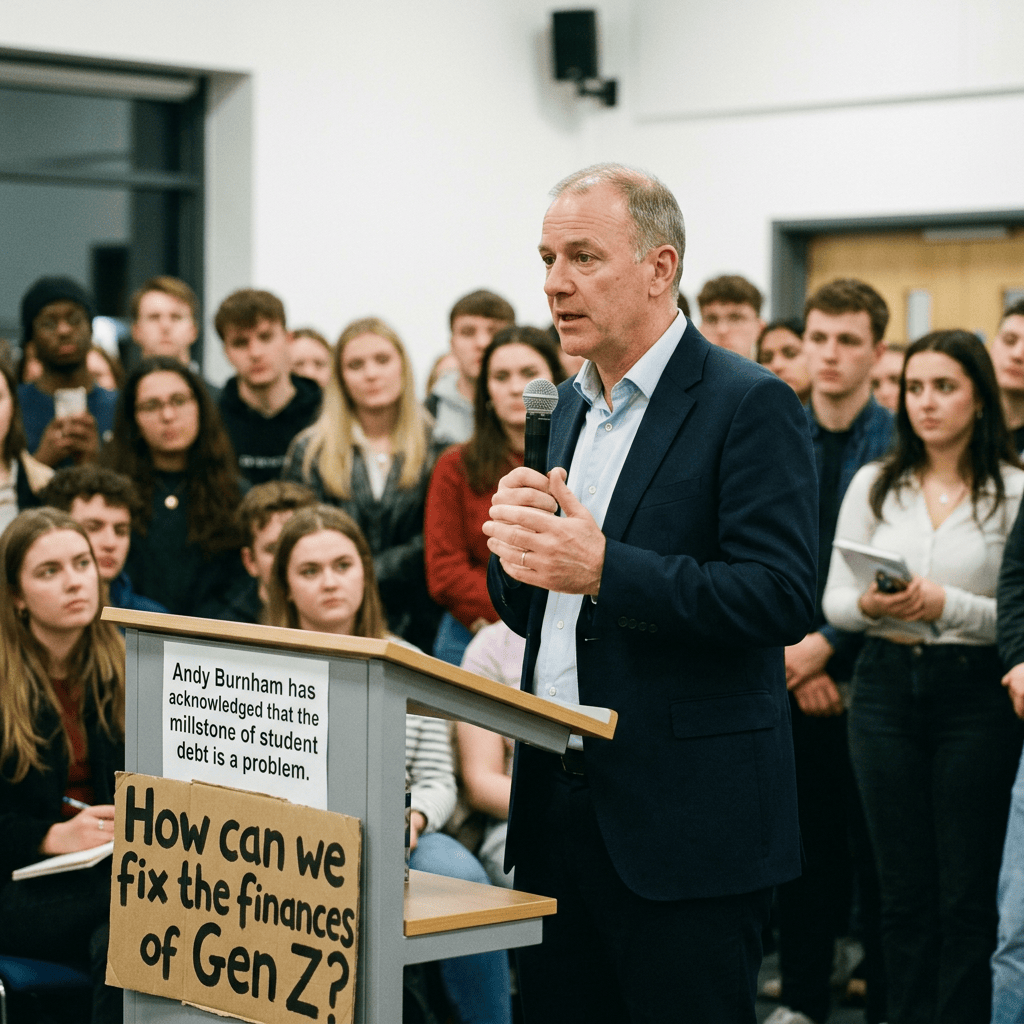
The Financial Burden of Student Debt on Gen Z: A Call for Reform
In recent discussions surrounding the financial challenges faced by Generation Z, Andy Burnham has highlighted a pressing issue: the crippling burden of student debt. This financial millstone not only impacts graduates’ present but also limits their future opportunities, making significant life decisions—such as purchasing a home or starting a family—much more daunting.
Understanding the Student Debt Crisis
As education costs soar, many young people are left with substantial debt upon graduation. According to statistics, student loan debt has reached unprecedented levels, with millions of Gen Z graduates finding themselves weighed down by financial obligations that can exceed tens of thousands of dollars. This reality is contributing to a delayed entry into traditional milestones of adulthood, as young individuals grapple with their financial futures.
The Importance of Acknowledgment
Burnham’s recognition of the implications of student debt is crucial. By bringing this issue into the public discourse, it paves the way for potential systemic reforms. When leaders acknowledge a problem, it creates an opportunity for discussion and action. The acknowledgment by influential figures can galvanize support for changes that will address the root causes of student debt.
Potential Solutions
- Reform Education Funding:
- Transitioning to a more equitable funding model for higher education can significantly reduce the financial burden on students. Public funding for colleges and scholarships can lessen the reliance on student loans.
- Income-Driven Repayment Plans:
- Implementing or expanding income-driven repayment plans can help tailor student loan payments to graduates’ income levels, allowing for more manageable monthly payments that do not exceed a reasonable percentage of their earnings.
- Loan Forgiveness Programs:
- Expanding loan forgiveness programs for individuals in public service careers or those who enter fields with high demand could alleviate some of the burdens of student debt for those who are contributing positively to society.
- Financial Literacy Education:
- Introducing comprehensive financial literacy programs in high schools and colleges can prepare students to make informed decisions about taking on debt, managing finances, and planning for their futures.
- Encouraging Alternative Pathways:
- Promoting alternative education pathways, such as vocational training and apprenticeships, can provide viable options to students, allowing them to enter the workforce without incurring significant debt.
Moving Forward
As discussions surrounding the financial wellbeing of Gen Z evolve, it’s clear that significant reforms are necessary to address the student debt crisis. By implementing changes that focus on equity, accessibility, and financial education, society can create a more supportive environment for young individuals looking to thrive without the weight of debt hindering their aspirations.
In conclusion, acknowledging the burden of student debt is the first step towards meaningful change. By rallying for reforms that support the financial health of Generation Z, we can help ensure that this generation is empowered to pursue their dreams without the constraints of overwhelming financial stress.
Read more via Financial Times
 Media Air Base LLC
Leave a comment