Tightening the Noose: U.S. Sanctions and the Future of Iran’s Oil Trade
Posted August 26, 2026 6:15AM ET read more via CNN
The United States has announced intentions to tighten its grip on nations engaging in commerce with Iran, particularly focusing on the purchase of Iranian oil. With Iran’s oil exports being a critical lifeline for its economy, this scrutiny raises questions about which countries are still willing to do business with Tehran despite potential repercussions.
Key players in the market include countries like China, which has been one of the largest consumers of Iranian crude. Despite facing sanctions, China strategically continues its oil imports from Iran, often leveraging them as part of broader economic ties. Additionally, nations within the Asia-Pacific region and parts of Europe have historically engaged in oil transactions with Iran, looking to balance their energy needs against compliance with U.S. policies.
As the U.S. ramps up its efforts, the global oil market could see significant shifts, with countries either choosing to back Iran or realign their energy strategies to avoid falling afoul of American sanctions. The complex interplay of international relations, economic necessity, and energy independence will undeniably shape the future of Iran’s oil trade. The developments in this arena will be crucial to observe, as they may signal broader geopolitical implications and shifts in the global energy landscape.
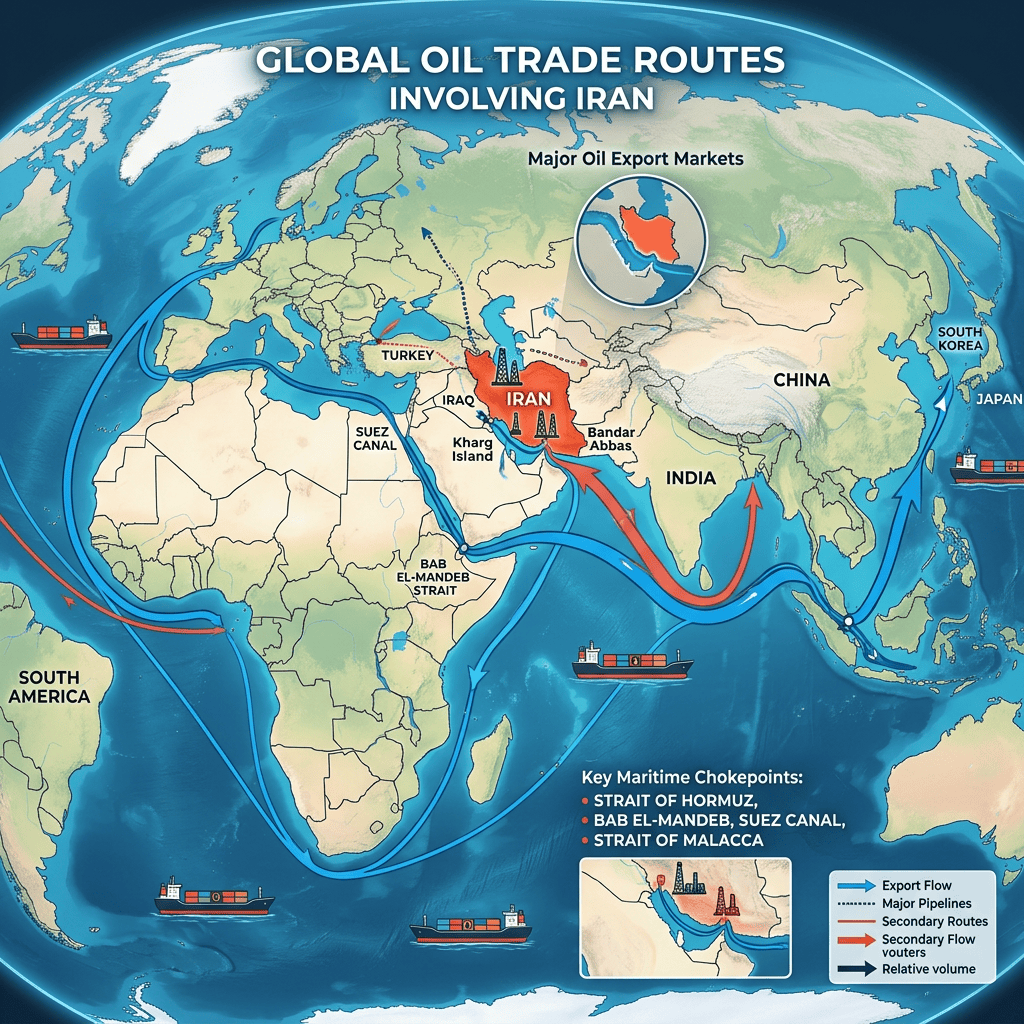
U.S. Sanctions on Iranian Oil: A Tightening Grip on Commerce
The United States has signaled a decisive shift in its foreign policy approach regarding Iran and its oil exports. With an intent to tighten its grip on nations engaging in commerce with Iran, particularly with the purchase of Iranian oil, this move aims to exert pressure on Tehran and potentially reshape the global energy landscape.
The Importance of Iranian Oil
Iran’s oil exports play a vital role in supporting its economy, providing critical revenue that funds various sectors, including public services, infrastructure, and military operations. As domestic production capabilities face challenges and national financial strains escalate, the oil sector remains one of the few economic lifelines for the country.
The U.S. strategy seeks to impact these exports by isolating Iran economically from the global market. Historically, the U.S. has utilized sanctions as a diplomatic tool to influence other nations’ behaviors and enforce international norms. The renewed focus on Iranian oil reflects a broader effort to curb Iranian influence across the region and beyond.
Key Players and Their Responses
Among the countries that continue to engage in purchasing Iranian oil, China stands out as a significant player. As one of the largest consumers of Iranian crude, China has managed to navigate U.S. sanctions through strategic economic partnerships, ensuring a steady flow of oil imports. This relationship is often portrayed as a balancing act, where economic interests outweigh compliance with American sanctions.
Additionally, several nations in the Asia-Pacific region, alongside parts of Europe, have historically engaged in oil transactions with Iran. While some countries may begin to align their energy strategies to avoid American sanctions, others are likely to explore loopholes that allow continued trade with the Persian Gulf state.
This situation creates a complex dynamic where nations must weigh their energy needs against the potential repercussions of defying U.S. policies. The decisions made by these countries will have implications not just for their energy security but also for geopolitical alliances and economic stability.
Global Market Implications
As the U.S. ramps up its sanctions, the global oil market could witness significant shifts. Nations either choosing to support Iran or realign their energy strategies to comply with U.S. demands will play a critical role in determining the future of Iran’s oil trade.
The interplay of international relations, energy independence, and economic necessity is set to reshape how nations approach their energy procurement. Should the U.S. succeed in isolating Iran economically, it could lead to a realignment of suppliers and buyers within the global oil market, thus altering traditional partnerships and economic interactions.
Conclusion
The developments regarding U.S. sanctions on Iranian oil trade are essential to monitor, as they signal broader geopolitical implications and shifts in the global energy landscape. As the U.S. continues to impose stricter measures, the responses from countries like China and others will be pivotal in determining the longevity and resilience of Iran’s oil exports. The complexities surrounding energy security and political alliances will undeniably shape the future of both Iran and the international community’s approach to this critical resource.
Read more via CNN
 Media Air Base LLC
Leave a comment