Consumer Spending Rises in August, But Savings Take a Hit
Posted 10/2/2026 4:19AM ET read more Washington Post
In August, American consumers demonstrated a willingness to spend more, showcasing a certain resilience in their purchasing habits. This uptick in expenditure suggests optimism in the economic landscape, as individuals sought to indulge in various goods and experiences. However, this trend comes with a significant caveat: many have started to tap into their savings to fuel this spending spree.
This reliance on savings highlights a delicate balance between consumer confidence and financial stability. While increased spending is often viewed as a sign of economic health, the movement away from savings can raise concerns about long-term financial security. As the back-to-school season approaches and holiday shopping looms, it’s crucial for consumers to consider their financial strategies and the sustainability of their spending habits in the coming months.
Understanding the implications of these spending patterns will be vital for both individuals and the economy as a whole, ensuring that while we enjoy the present, we also prepare for the future.
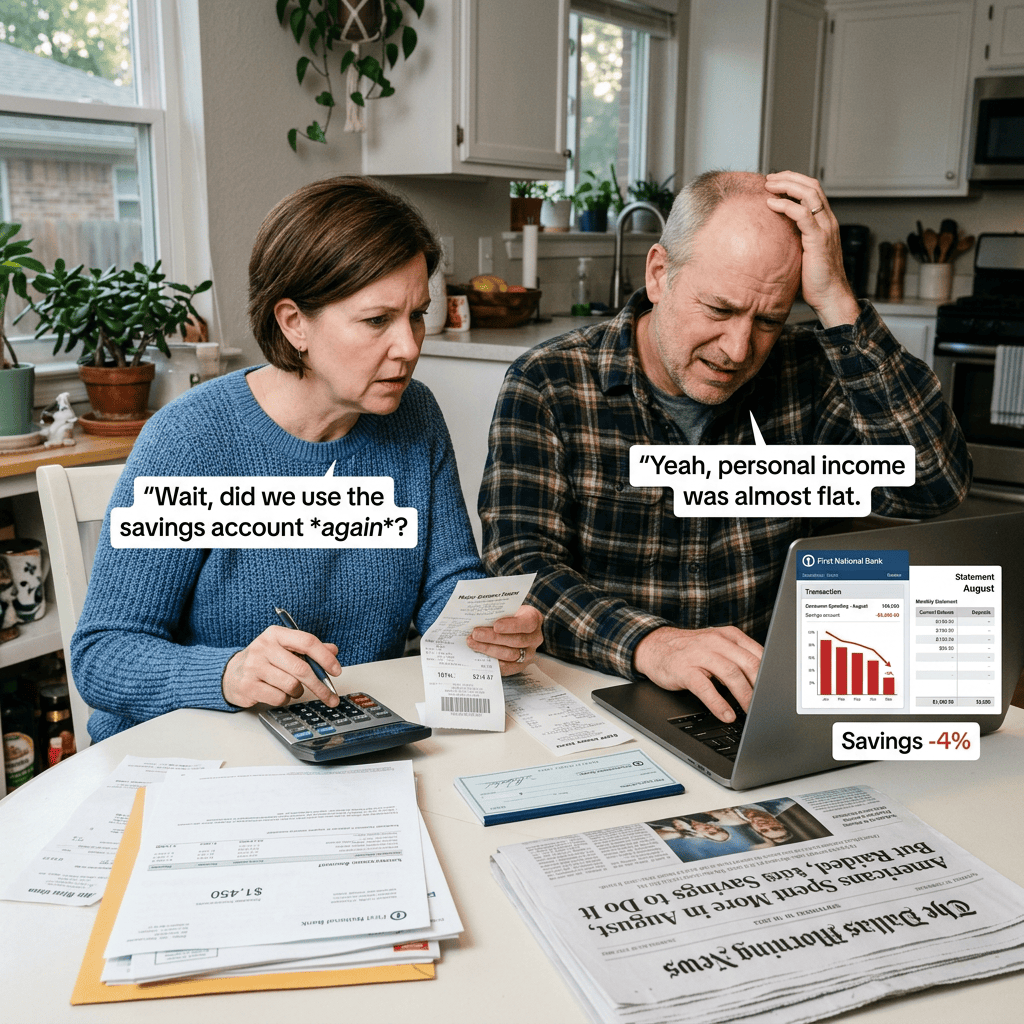
Americans Spent More in August, But They Raided Their Savings to Do It
Consumer spending showed a notable increase in August, with Americans opening their wallets for various goods and services. Specifically, spending ticked up by 0.9 percent last month, reflecting a degree of confidence in economic conditions. However, this uptick came with a significant caveat: personal income only grew by 0.2 percent during the same period. This disparity suggests that many consumers are relying on their savings to support their spending habits.
The Rise in Consumer Spending
The 0.9 percent rise in consumer spending indicates that households are willing to invest in both necessities and discretionary items. Whether it’s back-to-school supplies, dining out, or entertainment, this surge points to a resilient consumer base. The data reflects a broader trend of recovery as Americans gradually rally from economic uncertainties.
Declining Personal Income
In contrast, the increase in personal income has lagged considerably, rising only 0.2 percent in August. This sluggish growth is concerning as it raises questions about the sustainability of increased spending. When incomes do not grow at a comparable rate to expenditures, consumers often take on a greater financial burden, leading them to tap into their savings.
The Impact on Savings
The combination of rising spending and stagnant income has real implications for consumer finances. Many individuals and families find themselves turning to their savings to bridge the gap—drawing down reserves that are typically earmarked for emergencies or future investments. Recent observations indicate a decline in savings, with reports highlighting a decrease of approximately four percent for many households.
This trend highlights a delicate balance: while increased spending can enhance economic growth, it also heightens the risk of financial instability for consumers. The reliance on savings points to a precarious situation where confidence may be overshadowed by economic realities.
Looking Ahead
As the back-to-school season and the holiday shopping period approach, consumers face critical decisions regarding their financial strategies. It is essential for individuals to consider whether their increased spending is sustainable in the long run or if it’s merely a temporary boost fueled by savings.
Understanding the implications of these patterns will be vital for both consumers and the economy as a whole. While it is important to enjoy the present moment of economic activity, preparedness for future challenges remains equally crucial.
In conclusion, the recent surge in consumer spending, while encouraging, serves as a reminder that careful financial management is essential. Balancing expenditures with income growth is key to ensuring not only present enjoyment but also future financial health.
Read more via Washington Post


Leave a comment