Navigating the Rising Costs: The New Economic Reality of the Panama Canal
Posted 9/24/2026 3:42AM ET read more Wall Street Journal
High bids to navigate the waterway have surged recently, prompted by a confluence of factors including shipping disruptions stemming from the Iran war and the impacts of extreme weather. As these challenges continue to shape global trade routes, companies are increasingly willing to invest significantly to secure their positions and ensure the flow of goods. The ongoing geopolitical tensions and unpredictable climate patterns are forcing stakeholders to rethink their strategies, highlighting the necessity for adaptive approaches in an evolving maritime landscape. As we look ahead, it will be crucial for businesses to stay informed and agile in order to effectively navigate these turbulent waters.
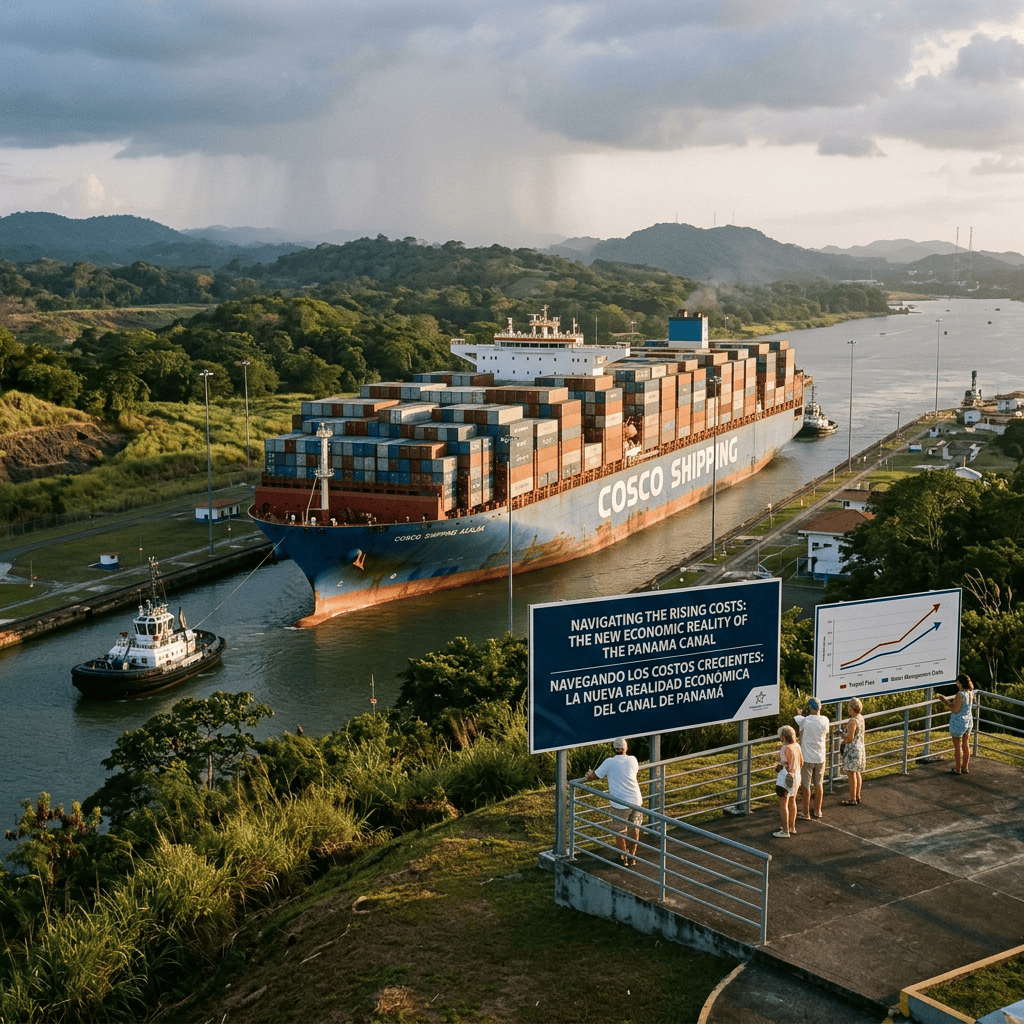
High Bids to Use the Panama Canal: Shipping Disruptions and Extreme Weather
The Panama Canal, a critical artery for global trade, has recently witnessed soaring bids and unprecedented transit fees. The perfect storm of shipping disruptions stemming from the Iran war and the impacts of extreme weather conditions has significantly influenced the cost and demand for this vital waterway.
Geopolitical Tensions and Shipping Disruptions
The ongoing tensions from the Iran war have inadvertently caused a ripple effect on international shipping routes. As maritime security concerns elevate, many shipping companies find themselves reevaluating their logistics and routes. This has created a scarcity of available passages through some of the world’s busiest shipping lanes, including the Panama Canal. What’s more, this unexpected scarcity has led to increased competition and, consequently, higher bid prices for passage.
The Impact of Extreme Weather
Concurrently, fluctuations in climate patterns have resulted in extreme weather events that further disrupt shipping. Droughts and storms have become more frequent, affecting water levels in rivers and ports around the globe. These conditions compel shipping companies to seek alternative routes or face delays that can disrupt their supply chains. The Panama Canal has historically served as a key shortcut for vessels, and as disruptions escalate, companies are willing to pay higher fees to ensure their cargo reaches its destination on time.
The Resulting Economic Landscape
As these factors converge, the price to navigate the Panama Canal has reached astonishing heights. With reports of bids as high as $4 million for a passage, and transit fees surpassing $5 million per Neo-Panamax vessel, the economic landscape of maritime trade is evolving dramatically. Shipping companies are increasingly recognizing the value of timely deliveries and are ready to invest significantly to maintain competitive edges in their respective markets.
Conclusion
In summary, the combination of geopolitical tensions due to the Iran war and the unpredictability of extreme weather has shaped the current state of the Panama Canal. As the waterway sees both an influx in transit bids and increased fees, it is essential for businesses to remain adaptive and informed. The future of global trade relies on the ability of companies to navigate these tumultuous waters effectively, making strategic decisions that account for the ever-changing maritime environment.
Read more via Wall Street Journal


Leave a comment