Balancing Profit and Responsibility: DraftKings’ Use of A.I. in Targeting Gamblers
Posted 9/19/2026 2:09PM ET read more New York Times
In today’s world, data science plays a pivotal role in numerous industries, including the betting sector. One notable application of data analysis is in determining which players receive betting incentives, with companies leveraging advanced algorithms to target their marketing efforts effectively. However, a concerning trend has emerged: while these organizations utilize data to boost their profits, they often hesitate to apply similar technological solutions to protect vulnerable gamblers.
This raises an ethical question: should companies not only prioritize profits but also take responsibility for their users’ well-being? The reluctance to adopt data-driven methods for identifying at-risk gamblers suggests a missed opportunity for proactive engagement and support. By employing the same analytical tools that guide their marketing strategies, betting companies can create robust systems to promote safer gambling practices and provide assistance to those in need.
Ultimately, the intersection of data science and social responsibility is an area where significant progress can be made, creating a safer environment for all players involved.
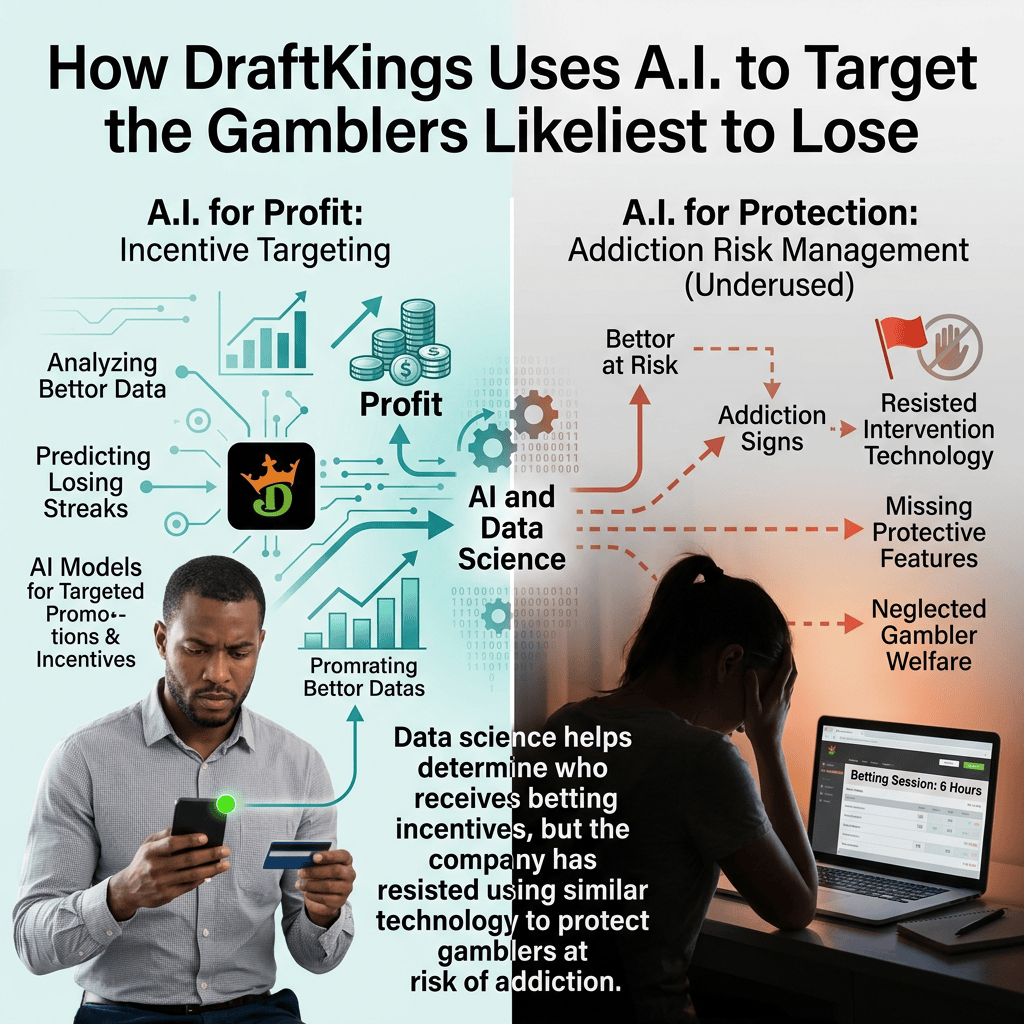
In today’s data-driven world, data science has become instrumental across various industries, and the betting sector is no exception. Companies like DraftKings harness the power of advanced algorithms and data analysis to optimize their marketing strategies, specifically targeting those players who are most likely to engage—and potentially lose—money. However, there is a growing concern regarding the ethical implications of this targeted marketing, particularly when it comes to the welfare of gamblers at risk of addiction.
DraftKings employs sophisticated data science techniques to analyze user behavior, identifying patterns that indicate who might be more receptive to betting incentives. These incentives can include bonuses, free bets, and promotions designed to attract and retain customers. By utilizing data points such as betting frequency, amounts wagered, and previous losses, DraftKings can tailor their offerings to maximize engagement and, ultimately, profits.
Despite the efficacy of data science in boosting profits through targeted marketing, DraftKings has been notably reticent to apply similar technology to identify and support vulnerable gamblers. This reluctance raises significant ethical questions: Should companies prioritize their bottom line over the well-being of their users? The answer to this dilemma is complex and warrants deeper consideration.
The potential to use the same analytical tools to promote safer gambling practices exists, yet the betting industry has not fully embraced this opportunity. By investing in mechanisms that identify at-risk gamblers—those exhibiting signs of problematic betting behavior—DraftKings could develop robust support systems and interventions designed to mitigate the adverse effects of gambling addiction.
This intersection of data science and social responsibility is crucial. Stakeholders in the gambling industry have a unique opportunity to leverage their technological prowess not just for profit, but also for the greater good. Proactive engagement with vulnerable gamblers can lead to a safer betting environment, ultimately fostering trust and loyalty among users.
In conclusion, while DraftKings effectively utilizes data science to enhance its marketing strategies, there remains a significant gap in applying these technologies to safeguard at-risk gamblers. Addressing this issue could lead to a paradigm shift in the industry, promoting ethical practices that prioritize the well-being of all players involved.
Read more via New York Times
 Media Air Base LLC
Leave a comment