Navigating Inflation: Fed’s Rate Hike and Its Impact on the Economy
Posted 9/16/2026 4:01 PM ET read more Reuters
The Federal Reserve has recently taken decisive action by hiking interest rates amid increasing inflation concerns, a move that has significantly influenced bond yields. With inflation remaining a persistent issue, the Fed’s decision aims to stabilize the economy by curbing excessive spending and borrowing.
As interest rates rise, bond yields also tend to increase, reflecting the market’s expectations for future economic conditions. Investors are adjusting their portfolios in response to these changes, leading to ripple effects across various asset classes. This adjustment in the financial landscape signals a cautious approach from the Fed, highlighting the delicate balance between fostering economic growth and controlling inflationary pressures.
Overall, the recent rate hike marks a critical moment in economic policy, as the Fed seeks to navigate the complex dynamics of inflation and growth in a rapidly changing environment. Keeping an eye on these developments will be essential for investors looking to understand the broader implications for their financial strategies.
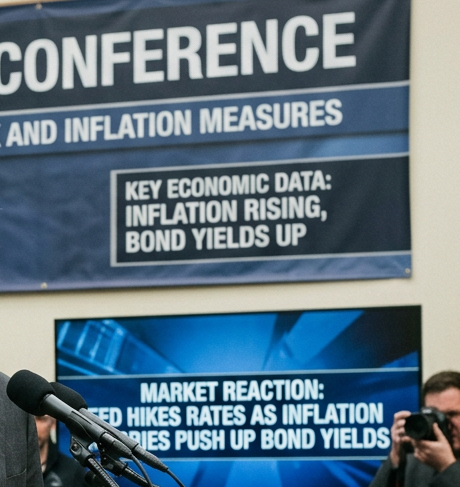
Fed Hikes Rates as Inflation Worries Push Up Bond Yields
In a recent press conference, new U.S. central bank chief Kevin Warsh addressed the persistent issue of inflation that has been difficult for the Trump administration to manage. The Federal Reserve has taken decisive action by increasing interest rates in response to rising inflation concerns, a move that reflects the growing urgency among policymakers to stabilize the economy.
Rising Inflation and Interest Rates
Inflation has emerged as a significant challenge, prompting the Federal Reserve to implement measures aimed at curbing excessive spending and borrowing. As the Fed raises interest rates, bond yields experience a corresponding increase. This relationship indicates that investors are adjusting their expectations regarding future economic conditions, often driven by the Fed’s monetary policy actions.
Impact on the Financial Landscape
The recent rate hike marks a pivotal moment in economic policy, with implications extending across various asset classes. Higher interest rates typically lead to increased bond yields, as investors seek to adjust their portfolios in light of the Fed’s actions. This adjustment can create ripple effects throughout the financial markets, highlighting a cautious stance by the Fed as it strives to balance economic growth with the need to control inflationary pressures.
The Fed’s Strategy Moving Forward
Warsh’s comments during the press conference emphasized the Fed’s commitment to navigating the complex dynamics between inflation and economic growth. As inflation continues to be a pressing issue, the challenge will be maintaining stability in the financial markets while supporting a sustainable recovery.
By monitoring these developments, investors can better understand the broader implications for their financial strategies. The Fed’s decisions in this rapidly changing environment will likely set the tone for future economic policy and market performance.
Conclusion
The Federal Reserve’s latest interest rate hike, driven by inflation concerns, is a testament to the central bank’s proactive approach in addressing economic challenges. As Kevin Warsh outlines the path forward, the focus remains on creating a balanced approach that fosters growth while safeguarding against inflation. Observing the Fed’s actions and their effects on the economy will be crucial for stakeholders looking to navigate the uncertainties of the current financial landscape.
Read more via Reuters
 Media Air Base LLC
Leave a comment