Unmasking Hidden Charges: A Guide to Spotting Ghost Charges on Your Statements
Posted 9/12/2026 3:20PM ET read more via The Washington Post
In today’s fast-paced world, frictionless payment technology has transformed the way we shop and make purchases. Gone are the days when we would fumble for cash or swipe a card with conscious effort. Now, with just a few taps on our smartphones or smartwatches, we can complete transactions almost effortlessly. This seamless experience is so streamlined that we often find ourselves barely remembering the moments of payment.
This level of convenience not only enhances our buying experience but also raises interesting questions about consumer behavior and the psychology behind spending. As we venture further into a cashless society, the impact of such technology on our purchasing habits and financial awareness must be considered. How does this ease of payment affect our relationship with money? With each transaction slipping easily through our fingers, it’s crucial to remain mindful of our spending patterns in this increasingly digital marketplace.
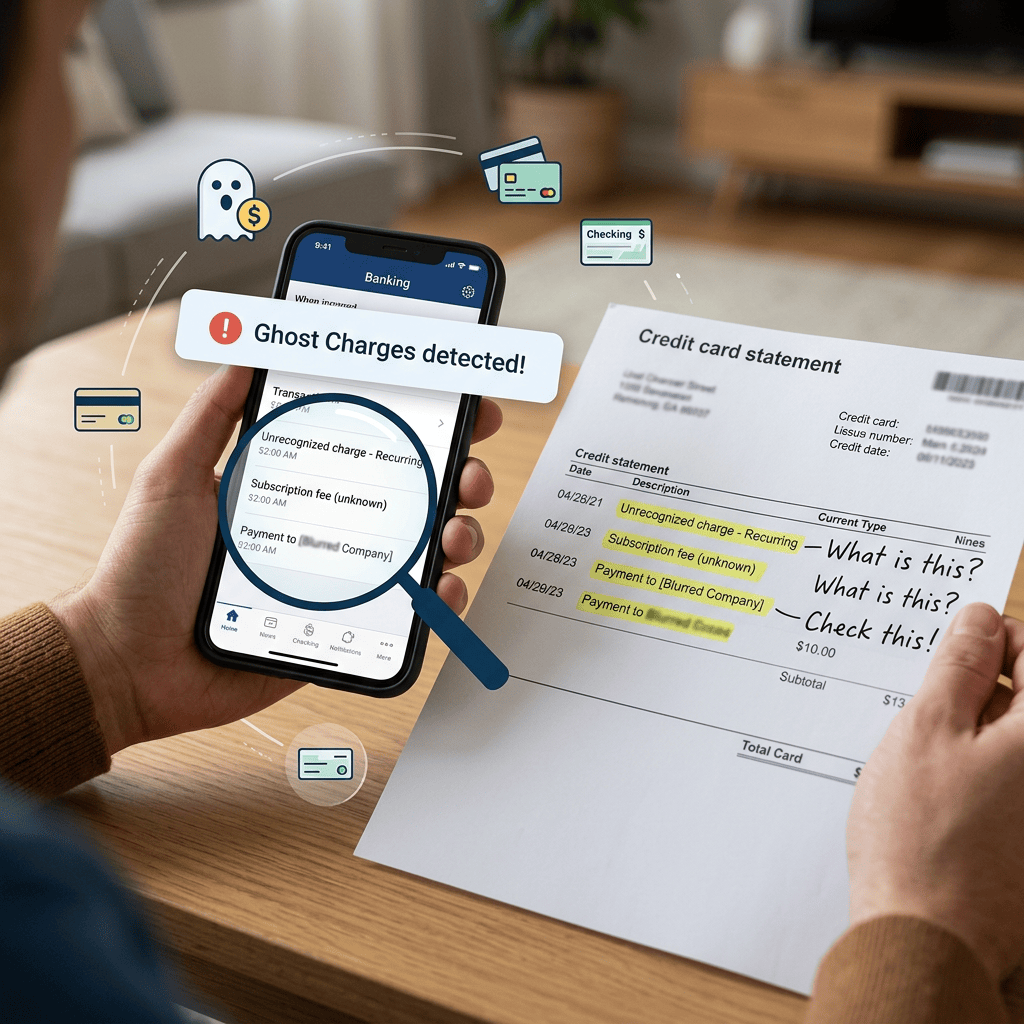
How to Find Ghost Charges on Your Credit Card and Checking Statements
In today’s fast-paced world, frictionless payment technology has transformed our shopping experiences. With just a few taps on our smartphones or smartwatches, we can complete transactions almost effortlessly. This convenience, however, raises critical questions about our financial habits, particularly regarding awareness of our spending. Not only has this ease of payment altered the way we interact with money, but it has also led to the emergence of “ghost charges”—unrecognized or forgotten charges that can sneak onto our credit card statements without our knowledge. Below, we explore how to effectively identify these ghost charges and take control of our finances.
Understanding Ghost Charges
Ghost charges are small, often recurring transactions that consumers may overlook. They can be the result of forgotten subscriptions, promotional trials that convert to paid services without notice, or charges from unfamiliar merchants. Given the seamless nature of modern payments, these charges may go unnoticed until they accumulate over time, leading to unexpected hits on our budgets.
Tips for Identifying Ghost Charges
- Regularly Review Statements
Make it a habit to review your credit card and checking statements at least once a month. Look for any unfamiliar charges and note transactions that seem out of place. - Use Banking Apps
Many banking apps provide alerts for new charges and can help categorize your spending. Utilize these tools to gain insights into your financial habits and to pinpoint unusual transactions quickly. - Examine Recurring Payments
Check for any recurring charges that you may have forgotten about. This includes subscriptions to streaming services, software, or memberships—all of which can quietly continue billing you without active use. - Check for Promotional Charges
If you’ve signed up for any free trials, take note of when they convert to paid subscriptions. Some services will automatically charge your card unless you cancel them beforehand. - Monitor Your Connected Accounts
If you use digital wallets or payment apps, ensure you’re aware of all linked accounts and any associated payments. Log into these platforms to keep track of linked subscriptions and services. - Dispute Unauthorized Charges
Should you find a charge you do not recognize, contact your bank or credit card company immediately to dispute the charge. Familiarize yourself with your bank’s fraud protection policies to safeguard your finances.
Maintaining Financial Awareness
As we continue to embrace frictionless payment technologies, it’s crucial to remain mindful of our spending patterns. With every transaction taking place in an instant, the need for diligent review and awareness becomes even more significant. By regularly monitoring your financial transactions and being proactive about identifying ghost charges, you can maintain better control over your financial health and avoid unpleasant surprises in the future.
Conclusion
Frictionless payment technology has streamlined our shopping experience but also made it easier for ghost charges to go unnoticed. By employing thoughtful practices such as regular statement reviews, using banking apps, and monitoring your subscriptions, you can effectively combat these hidden charges and foster a more conscientious relationship with your finances. Stay vigilant and informed—your wallet will thank you.
Read more via The Washington Post
 Media Air Base LLC
Leave a comment