Navigating Leadership Turmoil: Barclays’ Quest for Stability on Wall Street
Posted September 26, 2026 4:42AM ET read more via Financial Times
In a notable shift within the financial sector, an investment bank is set to appoint its seventh co-CEO in just four years, reflecting a period of significant instability and challenges at the leadership level. This new co-CEO is expected to face the same restrictions that hampered their predecessors, suggesting that the bank continues to navigate complex regulatory environments and operational hurdles.
The frequent changes in leadership at such a high-profile institution raise questions about the organization’s strategic direction and internal cohesion. With each new appointment, there is hope for rejuvenated leadership, but the recurring limitations faced by these co-CEOs may hinder any meaningful reform or innovation.
As the financial landscape evolves, it will be crucial for this investment bank to assess its leadership approach and address the systemic issues that have led to such rapid turnover. Stakeholders will be watching closely to see if this latest appointment can break the cycle or if it will simply be another chapter in a tumultuous story. The future of the bank and its standing within the industry may very well depend on the ability to overcome these persistent challenges.
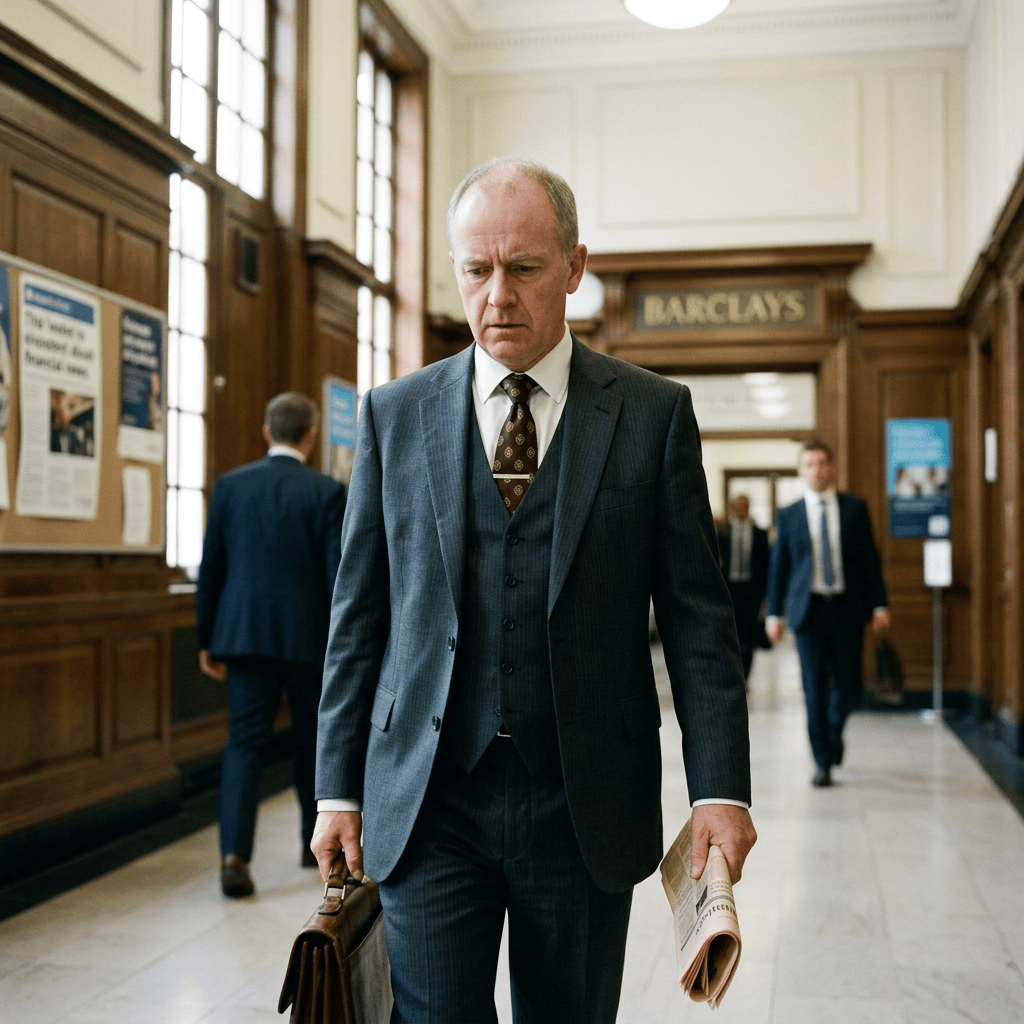
Barclays Struggles to ‘Retrain the Dog’ on Wall Street
In a notable shift within the financial sector, Barclays is set to appoint its seventh co-CEO in just four years. This frequent turnover at such a high-profile investment bank highlights significant instability and ongoing challenges at the leadership level. As the new co-CEO steps into the role, they are expected to confront the same constraints that hampered their predecessors, underscoring the complex regulatory environments and operational hurdles that continue to plague the institution.
Leadership Challenges
The series of leadership changes at Barclays raises important questions about the organization’s strategic direction and internal cohesion. Each new appointment brings with it a glimmer of hope for revitalized leadership, yet the recurring restrictions facing these co-CEOs may obstruct any meaningful reform or innovation. The bank’s leadership is often tied up with regulatory demands and the intricacies of navigating a rapidly changing financial landscape, both of which can limit the co-CEOs’ effectiveness in implementing new strategies.
Regulatory Constraints
The recurring issues that have beleaguered Barclays’ recent co-CEOs include stringent regulatory frameworks that govern the banking sector. These regulations are often a response to broader market conditions and past financial crises, and they necessitate a cautious approach to management and decision-making. As a result, the new co-CEO will need to balance compliance with a desire for innovation—a formidable challenge in a landscape where agility can often be at odds with regulatory requirements.
Stakeholder Expectations
Stakeholders, including investors, analysts, and employees, will be watching closely to see if this latest appointment can break the cycle of instability or if it will merely perpetuate an ongoing saga of turnover. The pressure is high, as the future of Barclays and its reputation in the industry hinge on the ability of its leadership to adapt and thrive amid these persistent challenges.
The Importance of Addressing Systemic Issues
As Barclays moves forward, it is crucial for the organization to take a hard look at its leadership approach. Addressing the systemic issues that have led to such rapid turnover will be paramount. This includes strengthening internal processes, fostering a culture of innovation, and encouraging more cohesive teamwork among leaders. The ability to effectively ‘retrain the dog,’ or adapt organizational practices to meet the current demands of the market, may very well determine the bank’s future success.
In conclusion, as Barclays prepares for the appointment of its seventh co-CEO, the hope for rejuvenated leadership is tempered by the understanding that meaningful change will require not just new faces, but a concerted effort to overcome longstanding structural and regulatory challenges. The upcoming months will be crucial in assessing whether this new leadership can indeed lead Barclays into a more stable and prosperous future.
Read more via Financial Times
 Media Air Base LLC
Leave a comment