Examining the Impact of U.S. Sanctions on an Iranian Financial Institution
Posted August 26, 2026 4:55AM ET read more via New York Times
Understanding the Iranian Bank Targeted by U.S. Economic Measures
In recent developments, one Iranian bank has come under increased scrutiny and was specifically singled out in the ongoing economic war led by the United States. This situation highlights the complexities of international finance and the impactful role of sanctions.
The targeted bank has drawn attention for its alleged connections to Iran’s government and its activities that are perceived to undermine U.S. interests. The implications of this action are significant, affecting not only the bank’s operations but also the broader Iranian economy and its relationship with global financial networks.
As the U.S. continues to leverage economic pressure to alter behaviors and policies in Iran, understanding the dynamics at play, including the bank’s role and the potential ramifications of these sanctions, is crucial. Stakeholders, from policymakers to investors, are closely monitoring how these developments will unfold and what they mean for the future of economic relations involving Iran.
By staying informed on these issues, we can better grasp the intricate web of international finance and its effects on global geopolitics.
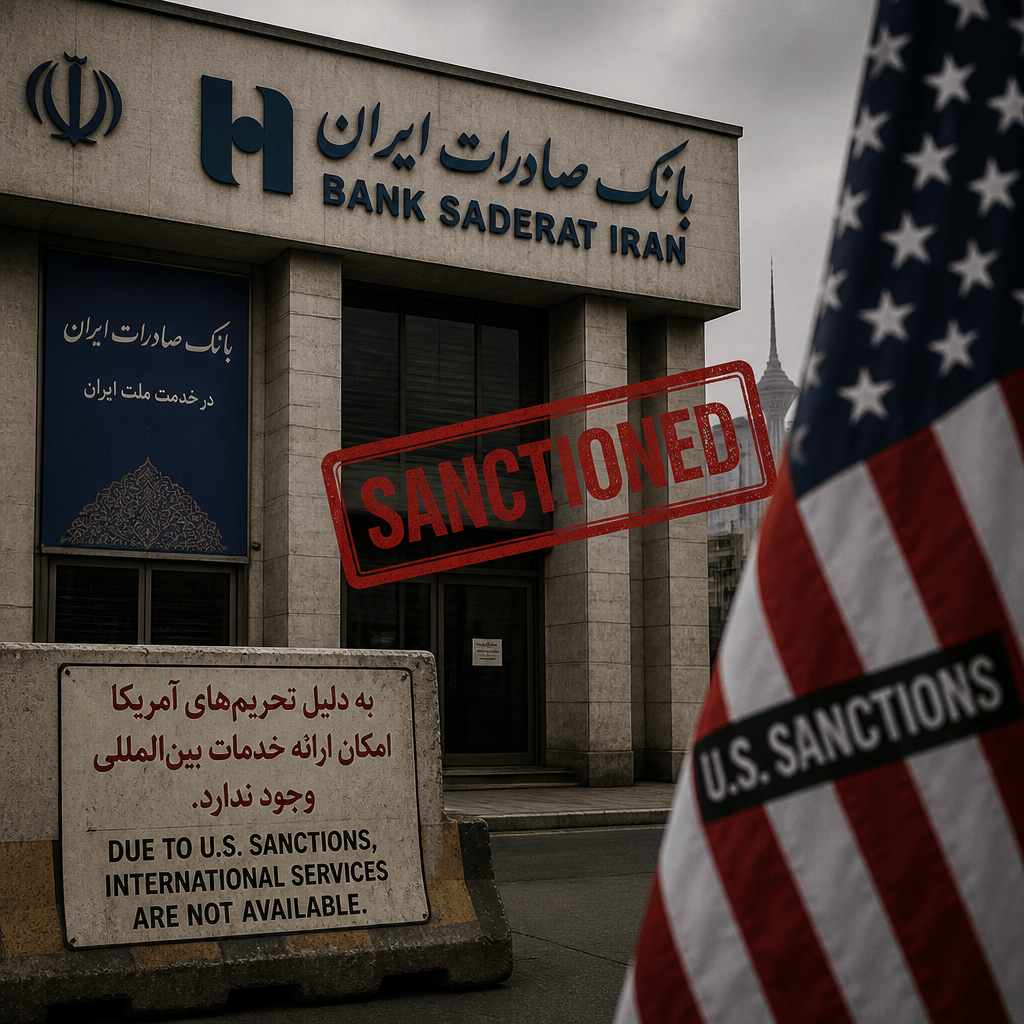
What to Know About the Iranian Bank Singled Out in U.S. Economic War
In the realm of international finance, few institutions have faced as much scrutiny as the Iranian bank recently targeted by U.S. economic measures. This bank, which has been implicated in activities deemed contrary to U.S. interests, serves as a focal point in understanding the broader implications of sanctions and economic policies directed at Iran.
Background on the Bank
The Iranian bank in question has connections to the Iranian government, which has raised concerns regarding its operations and their potential impact on global security. The U.S. has accused it of facilitating transactions that support entities or activities contrary to U.S. foreign policy, leading to its designation as a target amid ongoing sanctions.
The Role of Sanctions
Economic sanctions serve as a tool for the U.S. to exert pressure on foreign nations to change certain behaviors or policies. In this case, the sanctions imposed on the Iranian bank are part of a larger strategy aimed at curtailing the Iranian government’s influence and activities in the region. These measures can severely restrict the bank’s ability to conduct international transactions, limiting its engagement with global financial markets.
Implications for the Iranian Economy
Targeting the bank has severe ramifications not only for its operations but also for the wider Iranian economy. As one of the key financial institutions, its restrictions impact the flow of capital within Iran and its connections with the global economy. Businesses relying on the bank for international trade may find themselves hindered, contributing to economic challenges for the nation.
Geopolitical Considerations
Understanding the dynamics surrounding this bank sheds light on the complex relationship between the U.S. and Iran. The sanctions are often viewed not just as financial measures but also as geopolitical strategies. Observers, including policymakers and investors, are keenly aware that any development regarding the bank can signal shifts in economic relations and influence broader geopolitical stability in the region.
Conclusion
As the U.S. continues its economic war against Iran, the targeted bank becomes a crucial case study in the effects of sanctions. Monitoring these developments allows stakeholders to better comprehend the intricate relationships between international finance and global politics, highlighting the ongoing impact of economic measures on both national and international levels.
Read more via New York Times
 Media Air Base LLC
Leave a comment