Navigating the Waters: The Danube’s Impact on Europe’s Energy Future
Posted August 25, 2026 5:14PM ET read more via BBC
The Danube River, Europe’s second-longest river, plays a crucial role in the continent’s energy landscape. Its water levels, however, have reached alarming lows, raising significant concerns about the future of energy production in the region.
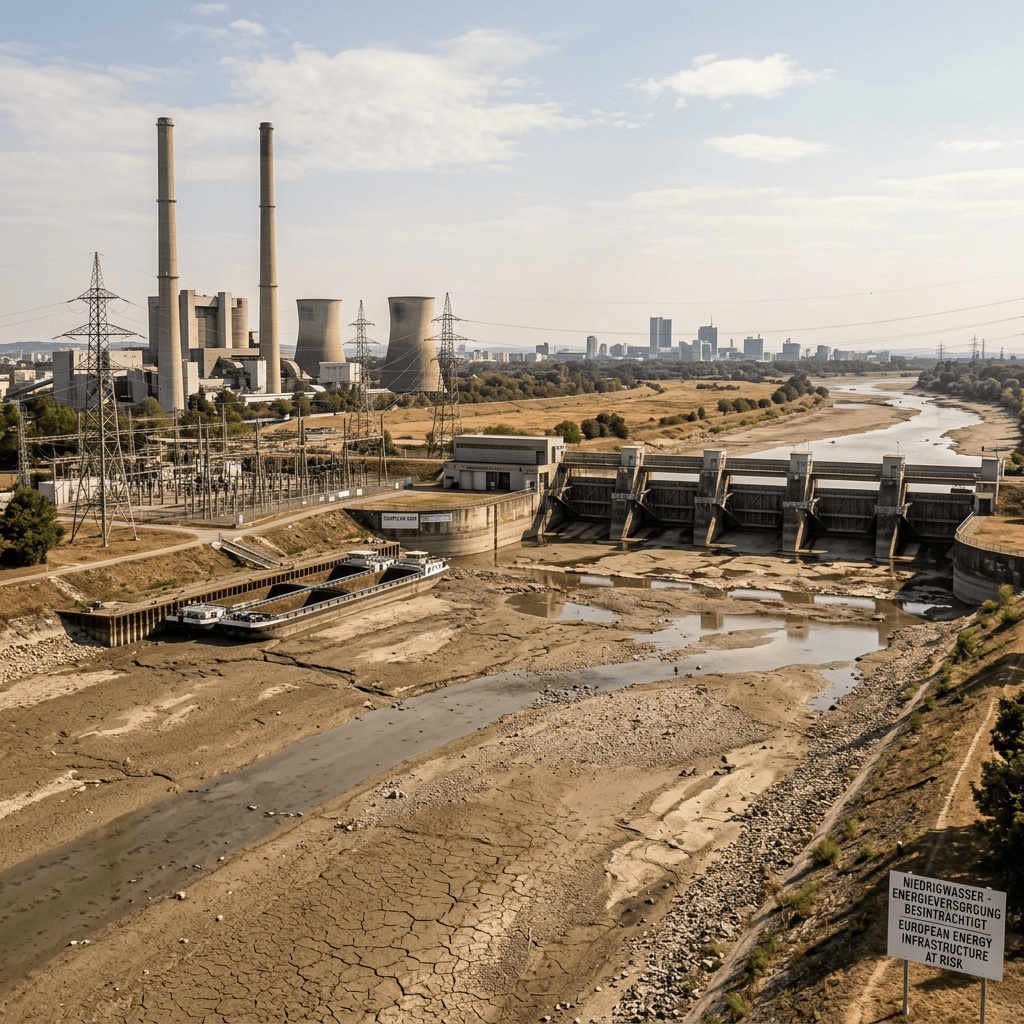
As a vital waterway for transportation and trade, the dry conditions hinder the movement of goods, including coal and oil, that are pivotal for energy generation. Countries reliant on the river for hydroelectric power are feeling the effects, as reduced water flow limits their ability to harness this renewable resource effectively.
Additionally, the dwindling water levels not only threaten energy production but also highlight the increasing vulnerability of Europe’s energy supply chain to climate change. The repercussions could lead to higher energy prices and force a shift towards alternative energy sources, pushing for a more sustainable energy strategy.
Addressing the challenges posed by a dry Danube requires urgent action and collaboration among European nations, underscoring the interconnectedness of climate impacts and economic stability. Ultimately, the future of Europe’s energy may hinge on how effectively it navigates these environmental challenges.
Follow the Money: What a Dry Danube Means for Europe’s Energy
The Danube River, recognized as Europe’s second-longest river, is more than just a picturesque waterway flowing through multiple countries; it is a critical artery for energy production and economic stability. However, recent alarming reports indicate that the river’s water levels have reached concerning lows, raising significant questions about the future of energy in the region.
The Importance of the Danube in Energy Production
Historically, the Danube has served as a vital transportation route for goods, including coal and oil, central to energy generation in Europe. Countries that depend on the river for hydroelectric power are now facing challenges, as diminished water flow restricts their capacity to generate energy from this renewable resource. The implications of this downturn are profound, highlighting the need for an evaluation of Europe’s energy strategies.
Economic Impact of Low Water Levels
The drying Danube does not only impede transportation but poses a direct threat to energy production. As water levels drop, the cost of transporting vital energy resources rises, potentially leading to increased energy prices across the continent. This economic strain, compounded by limited hydroelectric output, could jeopardize the stability of energy supplies and complicate existing energy policies.
Climate Change and Its Role
The current situation calls attention to a broader issue—climate change. The reduced water levels of the Danube act as a stark reminder of the vulnerability of Europe’s energy supply chains to environmental shifts. As the continent grapples with rising temperatures and shifting weather patterns, the need for an adaptive and sustainable energy strategy becomes increasingly critical.
A Call for Collaboration
Addressing the challenges posed by a dry Danube will require immediate and collaborative action among European nations. The interconnectedness of climate impacts and economic stability underlines the importance of a united approach to confronting these challenges. By working together, countries can move towards a more sustainable energy future while mitigating the adverse effects of climate change.
Conclusion
The situation surrounding the Danube River serves as a crucial wake-up call for Europe’s energy policies. The financial implications of lowered water levels extend beyond immediate concerns, urging a reevaluation of energy strategies and infrastructure investment. Ultimately, the future of Europe’s energy landscape may depend on how effectively these environmental challenges are navigated, underscoring the imperative for sustainable practices in the face of a changing climate.
The drying of the Danube not only reveals vulnerabilities in energy production and transport infrastructure but also hints at a necessary shift towards alternative energy solutions and practices. The resilience of Europe’s energy future rests on the actions taken today in response to these emerging environmental challenges.
Read more via BBC


Leave a Reply