Navigating the New Landscape: Impacts of Resetting Bond Market Expectations in 2026
Posted August 25, 2026 5:34PM ET read more via Reuters
Understanding the Reset in Bond Market Expectations for the US
In recent months, the bond market has been signaling a potential shift in expectations regarding the US economy. Investors are beginning to reassess their outlook, influenced by various economic indicators and Federal Reserve policies.
Bond prices are inversely related to interest rates; as rates rise, bond prices typically fall. Following an extended period of low-interest rates, market analysts are now scrutinizing signs that suggest an upward trajectory for rates. This shift can stem from factors such as inflationary pressures, changes in economic growth forecasts, and developments in fiscal policy.
The resetting of expectations in the bond market is essential for both individual and institutional investors. It reflects a collective assessment of economic conditions and impacts decisions on asset allocation, borrowing costs, and investment strategies. As such, staying informed about these trends is crucial for making sound financial decisions in an evolving landscape.
Understanding these dynamics can help investors navigate the complexities of the current market environment and prepare for potential impacts on their investments. Keeping a close eye on the bond market is more important than ever as it adjusts to new economic realities.
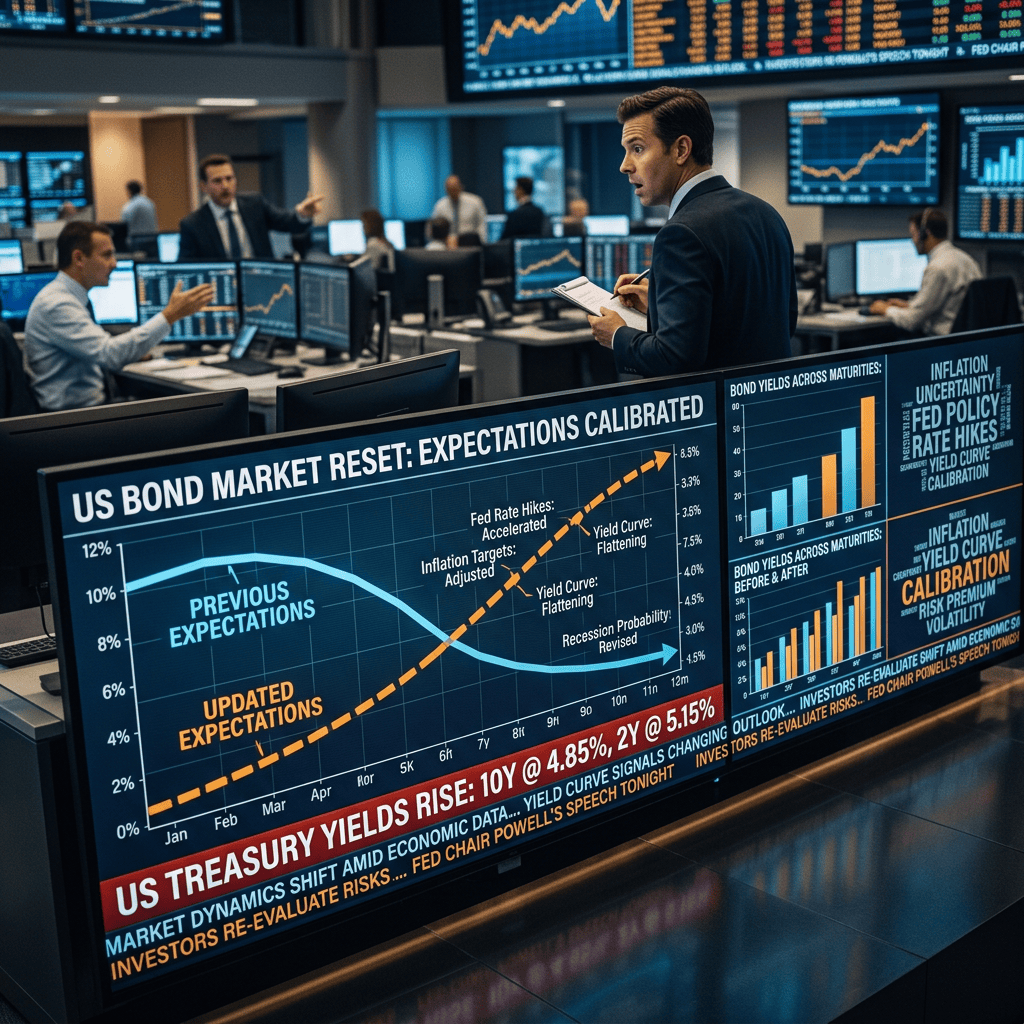
Why the Bond Market Might Be Rethinking What’s Next for the US
As we progress through 2026, the bond market is exhibiting signs of a significant shift in expectations related to the U.S. economy. This change is crucial for both individual and institutional investors, as it indicates a collective reassessment of economic conditions that could shape investment strategies and borrowing costs.
The Dynamics of Bond Prices and Interest Rates
Bond prices and interest rates share an inverse relationship: when interest rates rise, bond prices generally fall. In a prolonged period of low-interest rates, many investors grew accustomed to stable yields. However, recent economic indicators have prompted investors to rethink their forecasts, suggesting that the era of low rates might be coming to an end.
Factors Influencing the Shift
Several key factors are contributing to this resetting of expectations within the bond market:
- Inflationary Pressures: Increased inflation can lead to higher interest rates as central banks strive to maintain price stability. Persistent inflation data may signal to investors that rate hikes could be on the horizon.
- Economic Growth Forecasts: Optimistic projections for economic growth can prompt market participants to adjust their outlook on interest rates. Strong economic performance typically leads to higher demand for credit, which can push rates upward.
- Fiscal Policy Developments: Changes in government spending and tax policies can influence market sentiment. Expansive fiscal policies may lead to an increase in public debt, prompting concerns over inflation and interest rates.
Implications for Investors
The resetting of expectations in the bond market is a critical development that can affect various aspects of investing:
- Asset Allocation: Investors may need to reassess their portfolios, taking into account the potential for rising interest rates and the associated impact on bond prices.
- Borrowing Costs: Businesses and individuals may face higher borrowing costs if interest rates rise, which could dampen spending and investment.
- Investment Strategies: Understanding the new landscape is vital for crafting investment strategies that align with shifting market conditions.
Staying Informed
For investors, keeping a pulse on the bond market is more crucial than ever. As it adjusts to evolving economic realities, staying informed about indicators such as Treasury yields, inflation expectations, and Federal Reserve policy signals will be key to making sound financial decisions.
In conclusion, the resetting of expectations in the bond market reflects a complex interplay of economic factors. By understanding these dynamics, investors can navigate the intricacies of the current market environment and prepare for potential impacts on their investments. With vigilance and strategy, they can adapt to the challenges and opportunities that lie ahead.
Read more via Reuters


Leave a Reply