Historic 3.1% Drop in Prescription Drug Prices: A Game Changer for Consumers
Posted August 14, 2026 4:52AM ET read more via Washington Post
In a noteworthy development reflecting the changing landscape of healthcare costs, prescription drug prices have seen a significant decrease. According to recent data, prices fell by 3.1 percent for the year ending in July, marking the most substantial annual decline since 1963. This drop could have meaningful implications for consumers, potentially easing the financial burden of medication and enhancing access to essential treatments. As the healthcare industry continues to evolve, it will be interesting to monitor how these price changes influence overall healthcare spending and patient well-being in the coming years.
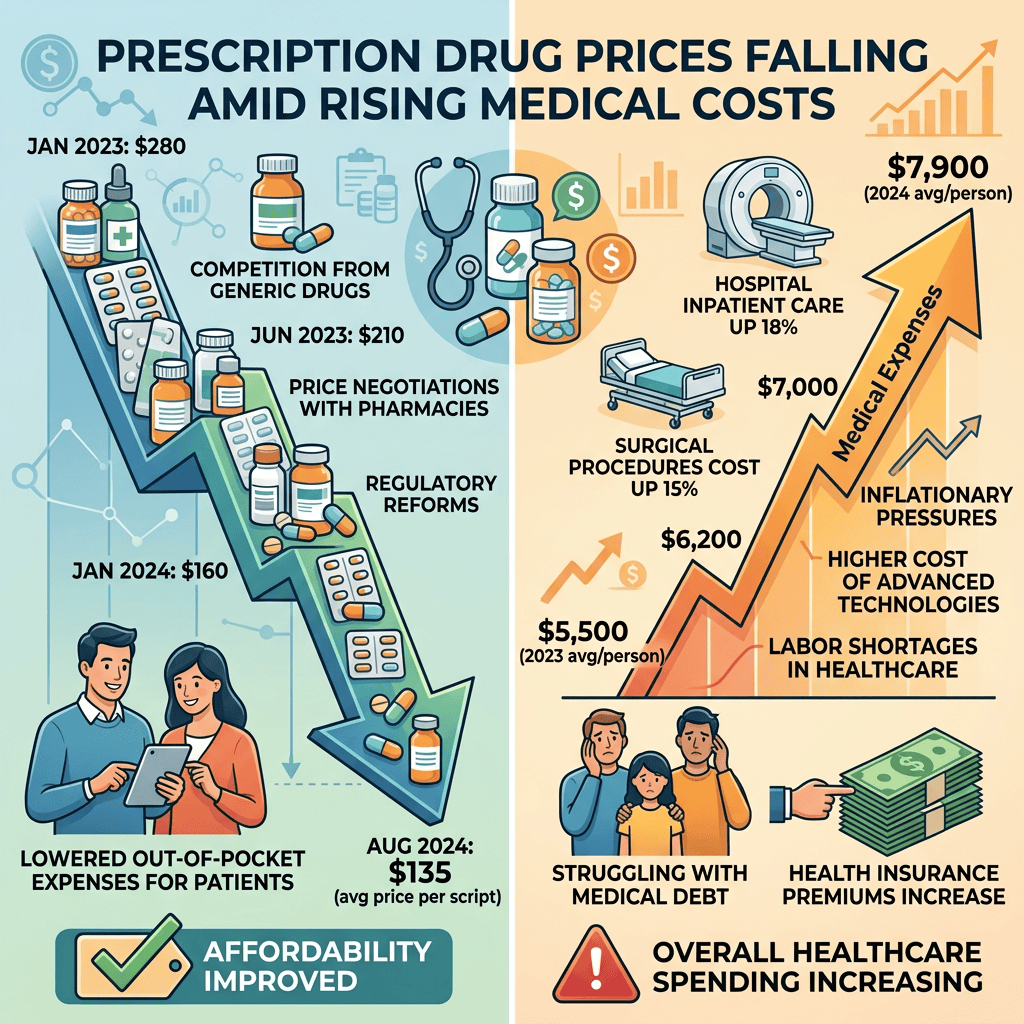
Prescription Drug Prices Experience Historic Decline: A 3.1% Drop
In a significant update for consumers and healthcare advocates alike, prescription drug prices in the United States have experienced a notable decrease, falling by 3.1 percent for the year ending in July 2026. This decline represents the steepest annual drop in prescription drug prices since 1963, marking a pivotal moment in the landscape of healthcare costs.
Understanding the Price Drop
The recent data highlights a shift in the dynamics of pharmaceutical pricing. The 3.1 percent decrease not only signals a break from previous trends of increasing costs but also raises questions about the factors contributing to this change. Various elements may be at play, including the introduction of more generic medications, competitive pricing strategies, and potential policy impacts aimed at controlling drug costs.
Implications for Consumers
This decline in prescription drug prices has substantial implications for consumers. Lower medication costs can alleviate financial pressures on patients, making essential treatments more accessible. Improved affordability could lead to better adherence to prescribed therapies, ultimately enhancing overall patient well-being. This is especially significant as many individuals face high out-of-pocket expenses for medications, potentially hindering their health outcomes.
Broader Impact on Healthcare Spending
As prescription drug prices decrease, it will be crucial to observe how this shift influences overall healthcare spending. While the cost of medications may be declining, other sectors such as hospital care, medical technology, and insurance rates continue to rise. The interplay between these factors will be vital in determining the overall landscape of healthcare expenses for American families.
Future Outlook
Healthcare professionals, policymakers, and consumers alike will be closely monitoring the ongoing developments in drug pricing and healthcare costs. As the industry evolves, understanding the root causes behind the decline in prescription costs could inform future strategies for maintaining affordability in the healthcare system.
In conclusion, the 3.1 percent drop in prescription drug prices is a noteworthy achievement that reflects a changing healthcare environment. As we look ahead, the focus will be on ensuring that these gains translate into lasting improvements in access and affordability for all consumers.
Read more via Washington Post
 Media Air Base LLC
Leave a comment