The ‘low-hire, low-fire’ trend may have returned. See the data
Posted August 7, 2026 11:35PM ET
In a surprising turn of events, recent data released by the Labor Department highlights a complex narrative in the U.S. job market. In July, U.S. employers shed 23,000 jobs, a significant figure that suggests potential challenges ahead for businesses and workers alike. Despite this contraction in job numbers, the unemployment rate has surprisingly decreased to 4.1%.
This paradox raises important questions about the resilience of the labor market and the overall economic landscape. While the job loss signals potential instability, the drop in the unemployment rate may indicate that more people are entering the workforce or perhaps that layoffs have affected a smaller portion of the population than previously anticipated.
As analysts sift through these figures, it will be essential to monitor ongoing trends in job creation and unemployment rates. Understanding the factors influencing these shifts will be crucial for policymakers, employers, and job seekers navigating this evolving economic terrain.
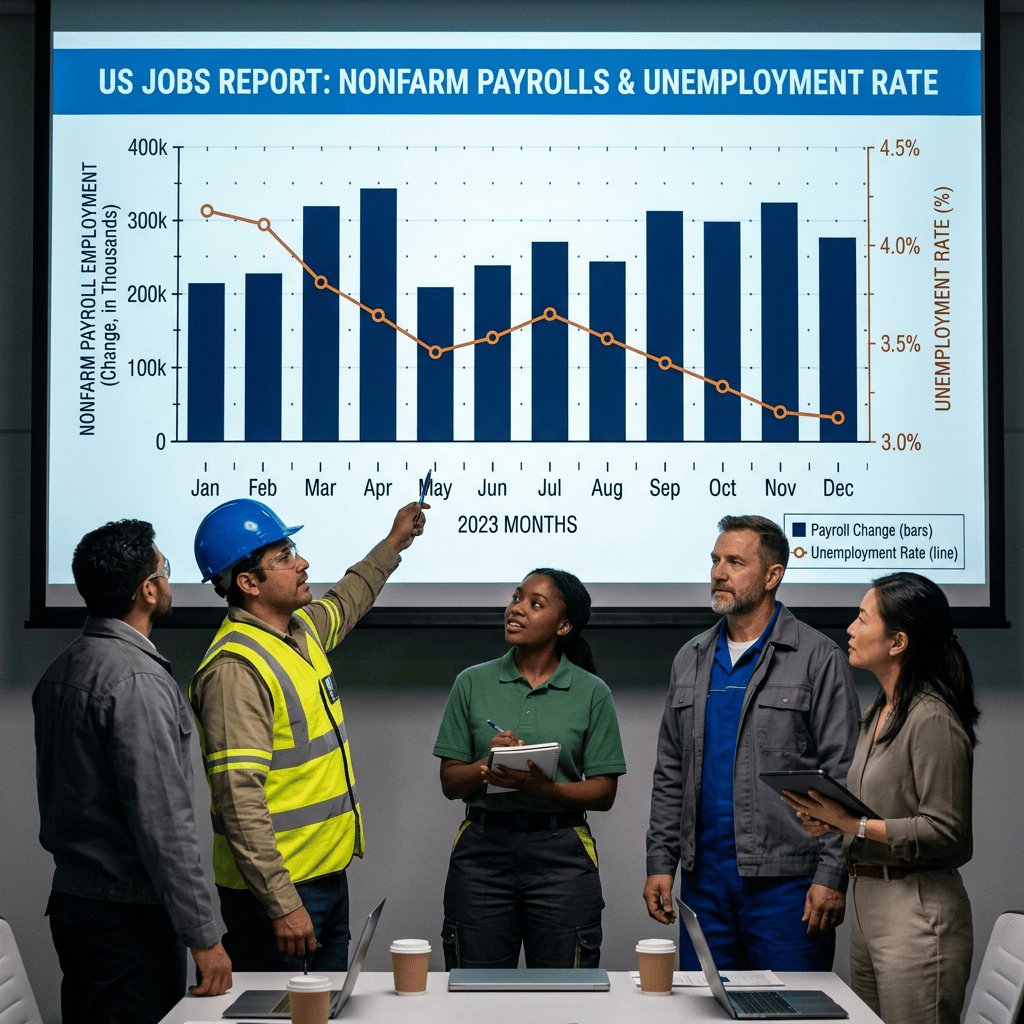
U.S. Employers Shed 23,000 Jobs While Unemployment Rate Falls to 4.1%: Insights from July Labor Department Data
In a surprising development, the latest data from the Labor Department reveals a paradox in the U.S. job market for July 2026. Employers in the United States have shed 23,000 jobs, signaling potential challenges for both businesses and workers. Yet, concurrently, the unemployment rate has seen a decline, dropping to 4.1%. This juxtaposition raises critical questions about the current state of the labor market and the implications for the economy.
Job Losses and Their Implications
The reduction of 23,000 jobs in July is a noteworthy figure that indicates a contraction in employment opportunities. This decline may raise concerns about the stability of various industries and the potential for future layoffs. Traditionally, such job losses might correlate with a rising unemployment rate; however, this is not the case in the latest report.
Decline in Unemployment Rate
In a surprising twist, the unemployment rate has decreased to 4.1%, suggesting that the labor market is exhibiting resilience despite the job losses. This drop could indicate that more individuals are entering the workforce—perhaps due to an influx of new job seekers—or that the layoffs have impacted a smaller segment of the population than was anticipated.
What Does This Mean?
The simultaneous occurrence of job shedding and a falling unemployment rate points to a complex labor market that is evolving. Analysts and economists will need to delve deeper into the nuances of this data to understand the underlying factors at play. This includes:
- Increased Labor Force Participation: The drop in the unemployment rate may signal that more people are seeking employment opportunities, which could reflect growing confidence in the job market despite the layoffs.
- Potential Sector-Specific Trends: Certain industries might be experiencing growth while others are contracting, leading to the paradoxical situation of job losses alongside a declining unemployment rate.
The ‘Low-Hire, Low-Fire’ Trend
The current landscape suggests that the ‘low-hire, low-fire’ trend may be returning. This concept refers to a cautious approach adopted by employers, where they are hesitant to expand their workforce significantly. Employers may focus on retaining essential staff while remaining vigilant about hiring new talent amidst economic uncertainty. This approach could impact job seekers, as positions may not be as readily available, resulting in a more competitive job market.
Looking Ahead
As analysts sift through the latest figures, it remains crucial to monitor ongoing trends in both job creation and unemployment rates. Understanding the factors driving these changes will be essential for policymakers, businesses, and job seekers as they navigate the evolving economic landscape.
In conclusion, the July 2026 Labor Department data presents a complicated narrative that prompts a closer examination of the current labor market dynamics. With the interplay of job losses and falling unemployment, the future of employment in the U.S. may hinge on developing trends yet to unfold.
Read more via USA Today
 Media Air Base LLC
Leave a comment