China launches global tax hunt going back decades
Posted August 5, 2026 3:29AM ET
As China grapples with increasing fiscal pressure, the government has launched a retroactive campaign aimed at regaining control over offshore capital flows. This initiative reflects heightened concerns about the outflow of wealth and investments that could exacerbate economic challenges faced by the nation.
The new measures include stricter regulations designed to monitor and regulate capital leaving the country. This approach not only targets past transactions but also sets the stage for rigorous oversight of future offshore investments. By tightening these controls, the Chinese authorities aim to bolster fiscal stability and retain more financial resources within its borders.
The impact of these policies could be significant, potentially altering the landscape for investors looking to move capital overseas. As the situation develops, stakeholders will be closely watching how these measures affect both domestic and international investment climates in China.
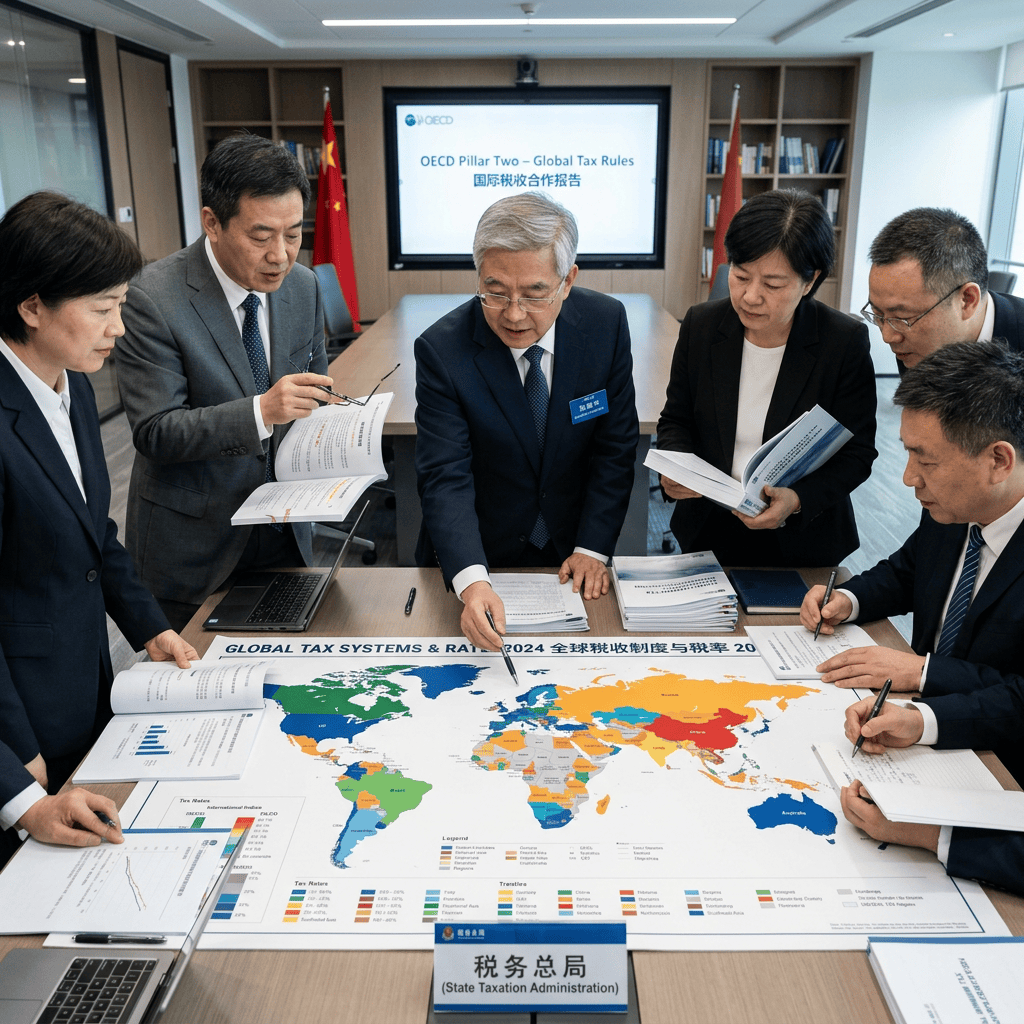
The Context of Fiscal Pressure
In recent years, China’s government has faced considerable fiscal pressure, exacerbated by fluctuating economic conditions, increasing debt levels, and a complex global market. In response to these challenges, the Chinese authorities have initiated a robust campaign aimed at tightening controls on offshore capital flows. This includes not only targeting future investments but also implementing retroactive measures that trace offshore funds from previous decades.
China’s economic landscape has seen significant changes over the past few years. Slower growth rates, coupled with a sprawling debt crisis among local governments and real estate companies, have created a pressing need for increased revenues. The government’s financial challenges have been intensified by the pandemic, which disrupted various sectors and forced the economy to adapt rapidly.
To address these fiscal challenges, the Chinese government has turned its attention to tax collection, particularly from wealthy individuals and corporations that hold assets abroad. This new approach aims to improve compliance and increase tax revenues to bolster the national economy.
Retroactive Campaign: Uncovering Past Offshore Holdings
The retroactive campaign initiated by Chinese authorities seeks to identify tax evasion and illicit capital flight that has occurred over the years. This endeavor involves extensive data collection efforts and coordination with foreign governments and financial institutions. The goal is to unscramble complex financial networks and uncover previously hidden assets of Chinese nationals and entities.
Through measures such as tax audits, data-sharing agreements with other nations, and public awareness campaigns, the government is pushing for transparency in offshore holdings. Wealthy individuals and businesses are increasingly required to disclose their foreign assets and comply with local tax obligations, or face severe penalties.
Tighter Controls on Future Offshore Capital Flows
In tandem with the retroactive campaign, the Chinese government is putting more stringent controls in place regarding future offshore investments. This includes:
- Enhanced Reporting Requirements: Chinese citizens and companies looking to invest abroad are now subject to stricter reporting requirements aimed at mapping out their investment intentions more clearly.
- Limitations on Money Transfer: Authorities are increasingly monitoring and regulating capital outflows, placing limits on the amount that can be transferred outside the country.
- Increased Scrutiny of Overseas Transactions: Transactions involving foreign investments are subjected to more rigorous review processes to detect suspicious activities and ensure that all taxes due are paid.
Implications for Individuals and Businesses
These recent developments pose significant implications for both individual and corporate investors. For individuals, the risk of retroactive claims by the government has created a sense of urgency to come forward and disclose offshore assets. Meanwhile, businesses that engage in international operations must navigate the complexities of compliance with the new regulations to avoid costly legal ramifications.
There is also a broader economic implication. Stricter controls on capital outflow may discourage investment abroad, shifting focus back to domestic opportunities. This could potentially shape the future landscape of foreign direct investment, prompting a reevaluation of strategies by Chinese companies and investors.
Conclusion
As China grapples with fiscal pressures, the government’s retroactive campaign and tougher controls on offshore capital flows mark a significant evolution in its approach to tax compliance and capital management. These changes reflect a determined effort to stabilize the economy, enhance tax revenues, and secure better oversight of wealth held outside its borders. Investors and businesses alike must adjust to this new regulatory environment as China continues to navigate its economic challenges.
Read more via Financial Times
 Media Air Base LLC
Leave a comment