Wall Street Is Deepening Its Crypto Grip and Rewiring the Market
Posted August 5 2026, 4:50AM ET
Bitcoin’s prolonged bear market has been a significant topic of discussion amongst investors and analysts alike. However, beneath the surface, there’s a fundamental shift taking place that could redefine the landscape of cryptocurrency trading.
As traditional retail traders step back, hedge funds and asset managers are quietly stepping in to take their place as the dominant market forces. This shift could signal a new era for Bitcoin and other cryptocurrencies, as institutional players bring a different set of strategies and capital flow that may influence volatility and market dynamics.
Understanding these changes is crucial for anyone looking to navigate the evolving world of digital assets. The implications of this transition may not only alter trading patterns but could also lead to greater stability in the long run, as institutional involvement typically brings with it a deeper level of market analysis and risk management.
As we continue to observe how these dynamics unfold, it will be interesting to see what impact they have on the future of cryptocurrency trading and investment.
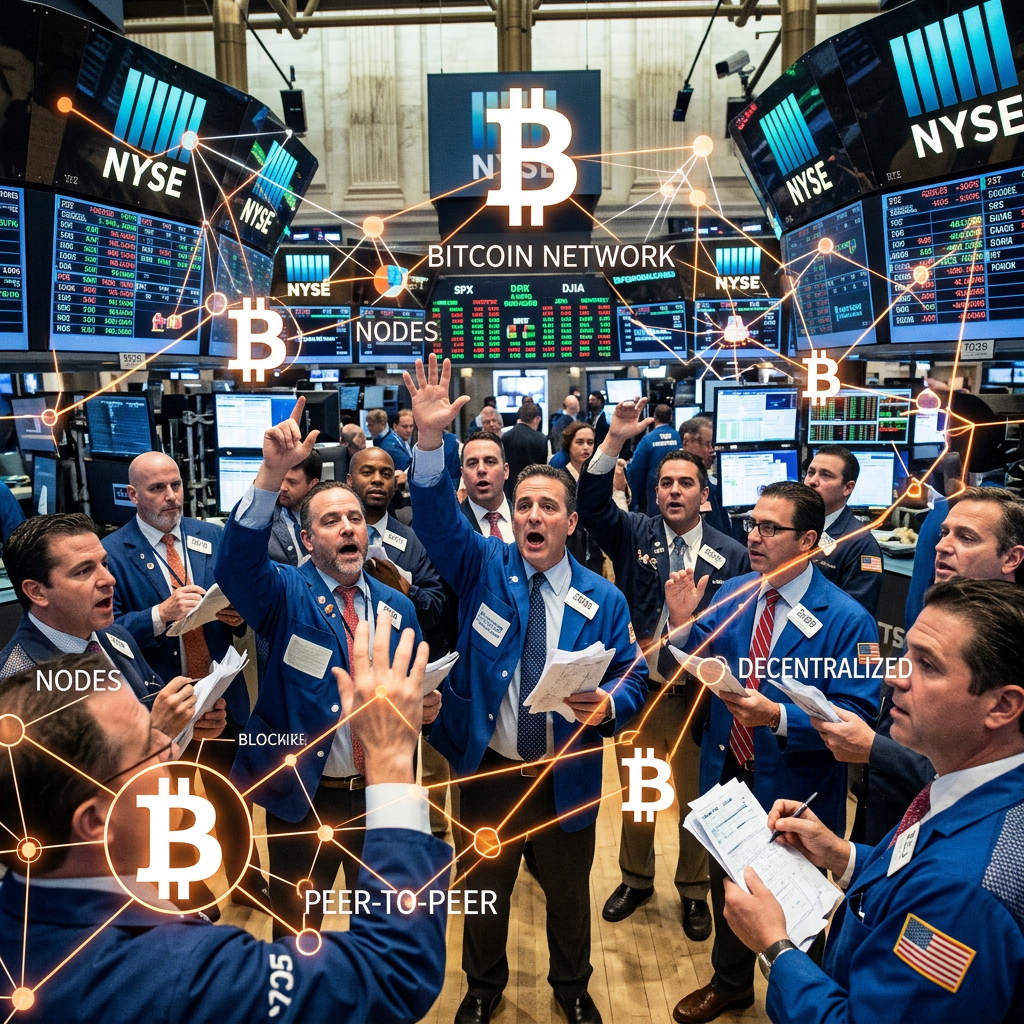
Wall Street Is Deepening Its Crypto Grip and Rewiring the Market
Bitcoin’s prolonged bear market has been a significant topic of discussion amongst investors and analysts alike. However, beneath the surface, there’s a fundamental shift taking place that could redefine the landscape of cryptocurrency trading.
The Rise of Institutional Traders
As traditional retail traders step back, hedge funds and asset managers are quietly stepping in to take their place as the dominant market forces. This shift towards institutional involvement may signal a new era for Bitcoin and other cryptocurrencies. Institutional players bring with them a different set of strategies and capital flows, which could significantly influence market volatility and dynamics.
Implications of Institutional Engagement
The increasing participation of institutional investors in the crypto market has several implications:
- Market Stability: Institutional investments typically involve a more profound level of analysis and risk management. As these entities dive deeper into the market, we may witness greater stability over time, contrasting the often volatile nature associated with retail trading.
- Market Analysis: Hedge funds and asset managers tend to employ advanced strategies that include quantitative trading and algorithmic analysis. This sophistication could lead to a more informed trading environment, as data-driven decisions become more prevalent.
- Capital Flows: The influx of capital from these institutional investors has the potential to change the liquidity landscape in cryptocurrency markets. Increased liquidity may lead to reduced price swings, which could attract more conservative investors to the space.
- Long-term Horizons: Unlike retail traders who may engage in short-term speculation, institutional investors typically have longer investment horizons. This could encourage a more stable approach towards cryptocurrencies, valuing them as long-term assets rather than short-lived speculative opportunities.
Conclusion
As we continue to observe how these dynamics unfold, it will be intriguing to see how institutional players influence the future of cryptocurrency trading and investment. The implications of this transition will likely not only alter trading patterns but could also pave the way for a more mature cryptocurrency market.
Read more via Bloomberg
 Media Air Base LLC
Leave a comment