Exxon and Chevron reported a combined $26.5 billion windfall for the second quarter, as many drivers struggle to afford the price of gas.
Posted July 31, 2026 5:58PM ET
The Impact of Rising Fuel Prices on Drivers and Oil Companies
As fuel prices continue to soar, many drivers are experiencing what can only be described as “sticker shock” at the pump. The sudden rise in costs not only affects household budgets but also shapes the broader economic landscape. While consumers are feeling the pinch, big oil companies are reaping significant profits, leading to a complex dynamic in the energy market.
Higher fuel prices can lead to an increase in operational costs for businesses and commuters alike, prompting concerns about inflation and economic stability. The financial burden placed on everyday drivers contrasts sharply with the thriving profits of oil giants, who often see their revenues swell in response to market fluctuations.
This situation raises questions about the sustainability of current energy practices and the future of transportation. As consumers confront higher costs and seek alternatives, the conversation surrounding renewable energy options and fuel efficiency becomes increasingly relevant. In the face of rising prices, it’s crucial for policymakers and industry leaders to address this disparity and explore solutions that benefit both consumers and the environment.
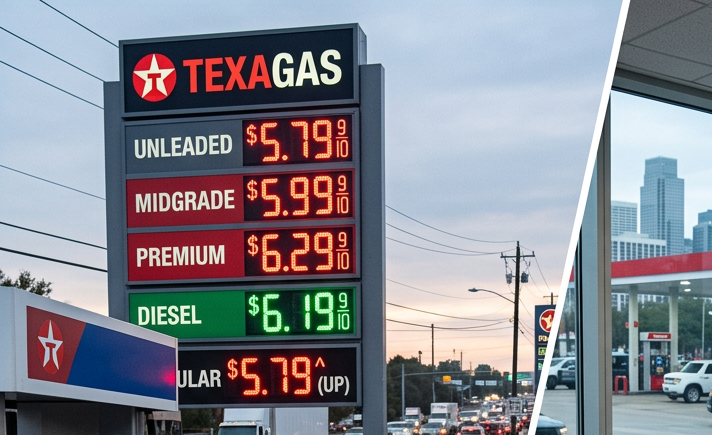
As Drivers Get Sticker Shock, Big Oil Gets a Windfall
Recently, Exxon and Chevron reported a staggering combined profit of $26.5 billion for the second quarter of 2026, a figure that underscores the growing disparity between the financial fortunes of major oil companies and the everyday struggles faced by consumers at the gas pump. This phenomenon, often referred to as “sticker shock,” highlights the challenges that many drivers encounter as fuel prices continue to escalate.
Rising Fuel Prices and Their Impact
The rapid increase in fuel prices has sent shockwaves through household budgets across the nation. Today’s drivers are confronted with soaring costs that strain their finances, leading to difficult decisions about daily commutes and travel. This upsurge in gas prices affects not just individual consumers; it also raises operational costs for businesses, prompting fears of inflation and economic instability.
High fuel prices can lead to broader economic implications. For instance, when logistics costs rise, businesses may adjust their prices to maintain profit margins, passing the burden onto consumers. This cycle places immense pressure on family budgets and can dampen consumer spending, potentially slowing economic growth.
The Contrast of Rising Profits
In stark contrast to the financial struggles of consumers, oil giants like Exxon and Chevron are seeing their profits soar due to market dynamics that favor large energy companies. The significant earnings reported by these companies are symptomatic of a system where, as energy prices rise, so too do corporate profits. This scenario raises eyebrows and fosters resentment among drivers, who are left questioning the fairness of an energy market that appears to benefit a select few while harming the many.
The Sustainability Debate
This situation invites a broader discussion regarding the sustainability of current energy practices. As consumers are forced to confront higher costs, there’s a growing interest in alternative energy solutions and fuel-efficient technologies. Policymakers and industry leaders are urged to engage in meaningful conversations about this disparity: How can we create an energy market that prioritizes consumer welfare without stifling investments in traditional and renewable energy sources?
Exploring Solutions for the Future
To address these concerns, it is essential for governments and corporations to collaborate on initiatives that enhance energy efficiency and promote sustainable energy practices. Investments in renewable energy sources like solar, wind, and biofuels can alleviate some of the pressure associated with fossil fuels. Additionally, incentives for businesses and consumers to adopt greener technologies can pave the way for a more equitable energy future.
Conclusion
As Exxon and Chevron bask in their record profits, drivers across the country feel the weight of rising gas prices. The ongoing struggle between consumer affordability and corporate advantage calls for urgent attention. By fostering open dialogue and implementing strategic solutions, it is possible to bridge the gap between these two contrasting realities, ensuring a fairer energy landscape that benefits all stakeholders involved.
Read more via Washington Post
 Media Air Base LLC
Leave a comment