Betting on which companies’ stock will be added or dropped has made a lucrative comeback this year
Posted July 29, 10:25AM ET
Hedge funds have been making headlines recently, especially as they leverage opportunities created by fluctuations in Wall Street indices. The dynamic environment of stock market adjustments offers a lucrative playground for these investment firms, enabling them to capitalize on market volatility.
As indices experience shake-ups—often due to companies being added, removed, or undergoing significant changes—hedge funds strategically position themselves to benefit from the resulting investor behavior. These market movements can create short-term price distortions, giving hedge funds an edge in executing trades that are designed to yield high returns.
The profitability of hedge funds in such scenarios often raises questions about market fairness and transparency. However, their ability to navigate these complex landscapes is a testament to their expertise in risk management and investment strategies. In a world where every tick counts, hedge funds are proving that adaptability and foresight can lead to substantial gains on the ever-evolving Wall Street stage.
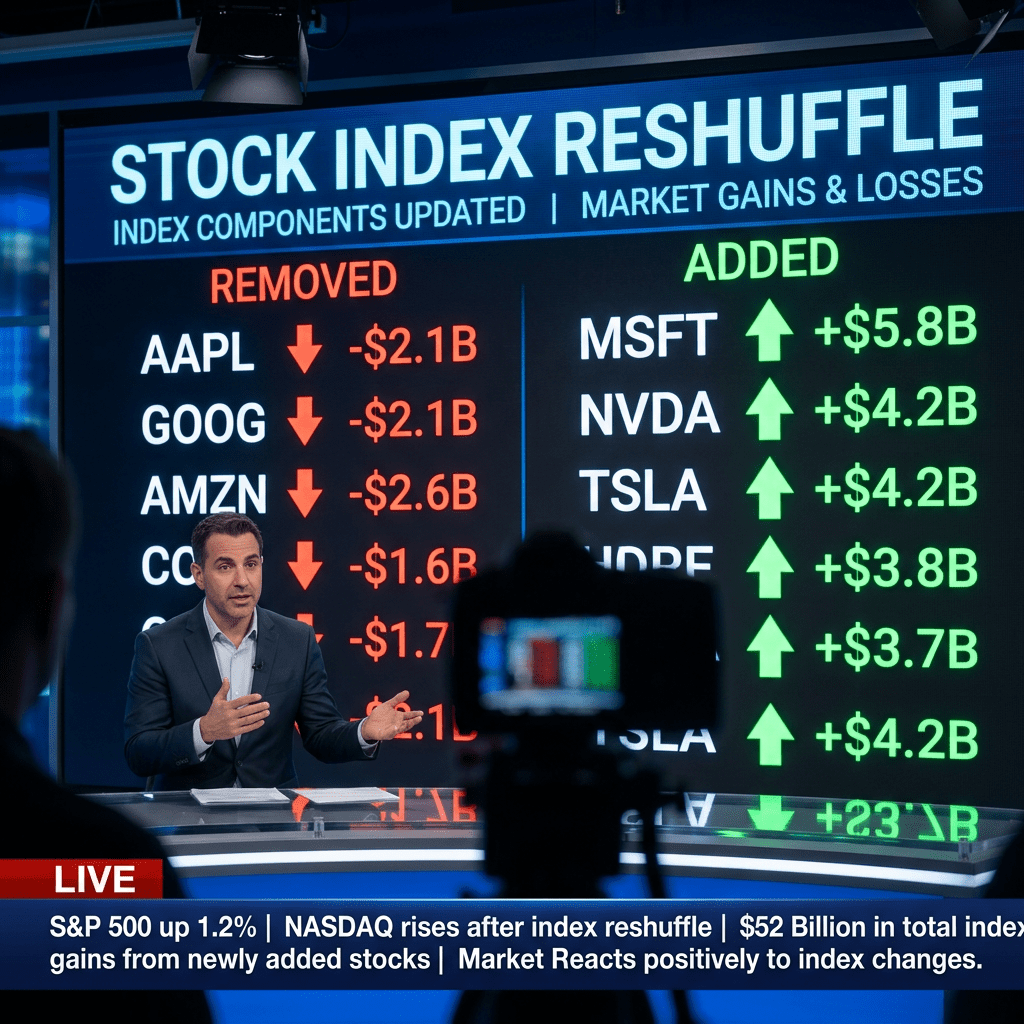
Hedge Funds Reap Big Profits from Wall Street Index Shake-Ups
In the fast-paced world of finance, hedge funds have emerged as significant players, particularly during periods of volatility in the stock market. This year, one strategy that has garnered attention is betting on which companies’ stocks will be added or removed from prominent Wall Street indices. The dynamic nature of these changes has created a lucrative environment for hedge funds, allowing them to capitalize on market fluctuations.
The Impact of Index Changes
Wall Street indices, such as the S&P 500 or the Dow Jones Industrial Average, serve as benchmarks for the stock market. When companies are added to or removed from these indices, it triggers a wave of investor activity. Funds that track these indices typically must buy or sell the corresponding stocks, leading to substantial short-term price movements. Hedge funds strategically position themselves ahead of these changes to profit from this volatility.
The principle is straightforward: if a company is added to an index, its stock price may surge due to increased buying pressure. Conversely, if a stock is removed, it often experiences a drop as funds sell off their holdings. Hedge funds leverage deep market insights and sophisticated strategies to predict these movements, allowing them to initiate trades that can yield high returns.
Navigating Market Volatility
Hedge funds are renowned for their agile trading strategies and risk management expertise. In the ever-changing landscape of stock markets, their ability to adapt quickly is a competitive advantage. As indices undergo shake-ups, hedge funds analyze historical data, market sentiment, and economic indicators to make informed predictions about which stocks will see significant price movements.
These firms often employ complex trading strategies, such as short selling or options trading, to maximize profits. For instance, a hedge fund might short a stock that it predicts will drop after being removed from an index, while simultaneously going long on a stock expected to rise after its addition to an index. This dual approach positions hedge funds to benefit from both sides of market reactions.
Ethical Considerations
The profitability of hedge funds operating during periods of index changes often raises questions about the fairness and transparency of the market. Critics argue that these funds may contribute to excessive volatility, which can disadvantage regular investors. However, proponents contend that hedge funds enhance market efficiency by providing liquidity and price discovery in both bullish and bearish scenarios.
Ultimately, the ability of hedge funds to navigate complex market environments showcases their expertise and resourcefulness. While they might thrive in conditions that rattle other investors, they also play a crucial role in the broader market ecosystem.
Conclusion
As hedge funds continue to exploit Wall Street index shake-ups, their strategic betting on stock additions and removals represents a significant trend in investment strategies for the year. With deep analytical capabilities and a focus on risk management, these firms are not only driving their own profitability but also influencing the market landscape during periods of change. In an environment where adaptability is key, hedge funds demonstrate that foresight and strategic positioning can lead to tremendous financial rewards in the stock market.
Read more via Financial Times
 Media Air Base LLC
Leave a comment