The tax rises that could fund Keir Starmer’s defence spending spree
Posted June 26, 2016 12:00AM ET
As debates surrounding national security intensify, Labour leader Keir Starmer is vocalizing the need for significantly increased defence spending. However, increasing the budget for defence often necessitates an adjustment in fiscal policy. To support this ambitious plan, the question arises: what tax rises could be implemented to fund such an expansive spending spree?
One potential avenue is the rise in corporate tax rates, scaling up contributions from larger businesses. This move aims not only to bolster the defence budget but also to ensure that corporations play their part in contributing to public services. Additionally, increasing income tax thresholds for top earners may also be on the table, aiming to redistribute wealth more fairly.
Another consideration could be adjustments to capital gains taxes, which might encourage investment in domestic industries while increasing public revenue. With these proposed changes, Starmer’s vision for enhanced defense capabilities could become a reality, albeit with the challenge of balancing economic growth and fiscal responsibility.
As the Labour Party navigates these complex discussions, the implications of such tax reforms will likely become a pivotal point in the broader conversation about the future direction of UK defence and public financial management.
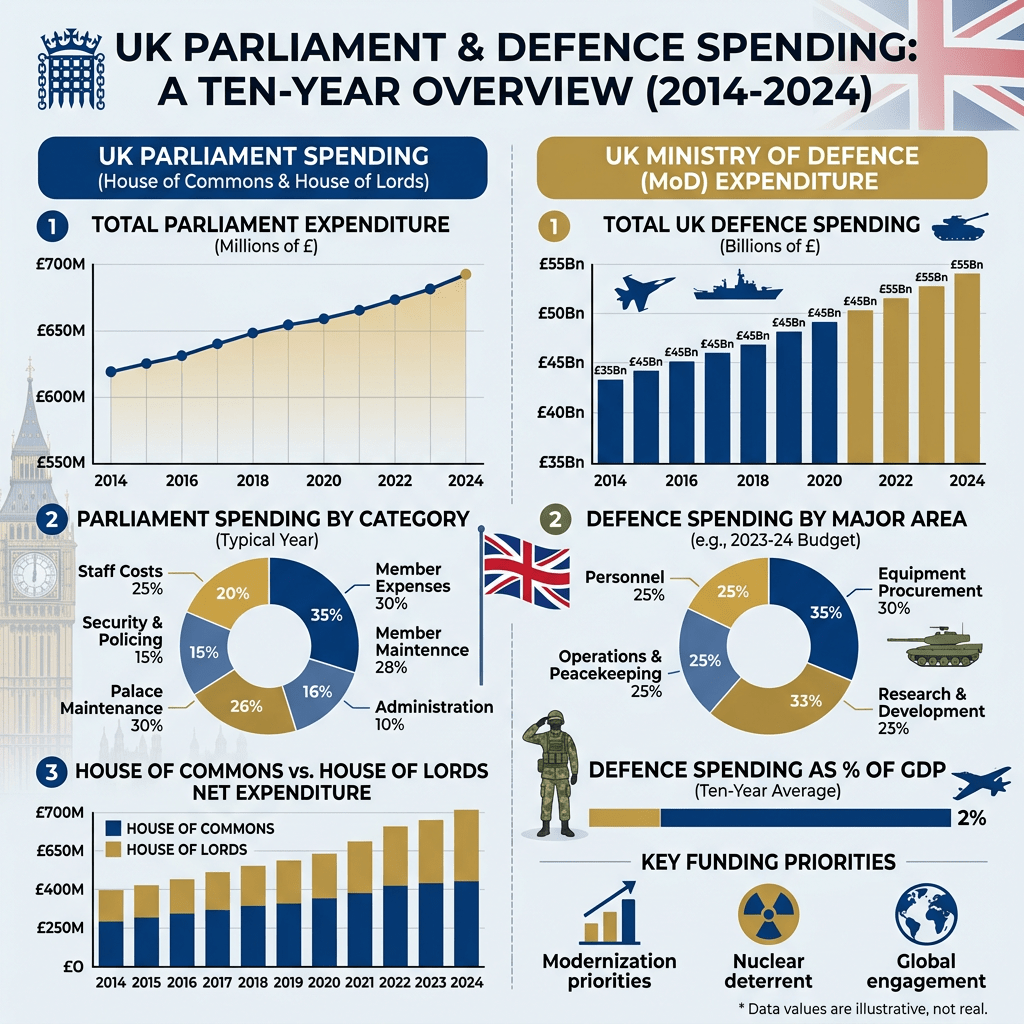
The Tax Rises That Could Fund Keir Starmer’s Defence Spending Spree
As debates surrounding national security intensify, Labour leader Keir Starmer is vocalizing the need for significantly increased defence spending. With the government expected to bolster its commitment to national security, understanding how the Treasury could raise the necessary funds is paramount.
Corporate Tax Rate Increases
One potential avenue to finance this ambitious plan is through an increase in corporate tax rates. By scaling up contributions from larger businesses, the initiative aims not only to bolster the defence budget but also to ensure that corporations fulfill their civic duty towards public services. This adjustment could lead to an influx of revenue that can directly support defence initiatives while maintaining essential public services.
Income Tax Adjustments for Top Earners
In addition to corporate taxes, the government may consider increasing income tax thresholds for top earners. This approach strives to redistribute wealth more equitably, placing a fairer burden on those who have greater financial capabilities. By implementing this measure, the government could create a more just taxation system while securing additional funds for defence.
Capital Gains Tax Revisions
Another key consideration could be adjustments to capital gains taxes. Reforming these taxes may encourage further investment in domestic industries, which can stimulate economic growth. Increased capital gains tax rates on higher earnings could also lead to a more substantial public revenue stream. This strategy aligns well with Starmer’s vision of enhancing defence capabilities while promoting wider economic resilience.
The Balancing Act
While these proposed changes could potentially fulfill the financial requirements for increased defence spending, they come with challenges. Balancing economic growth and fiscal responsibility remains crucial. The government must ensure that the implementation of these tax reforms does not deter investment or stifle economic momentum.
Conclusion
As the Labour Party navigates these complex discussions, the implications of such tax reforms will likely become a pivotal point in the broader conversation about the future direction of UK defence and public financial management. With strategic adjustments to corporate taxes, income tax for top earners, and potential reform of capital gains taxes, Starmer’s vision for enhanced defence capabilities may well move from a concept to reality, all while fostering a fairer economic environment.
Read more via The Times
 Media Air Base LLC
Leave a comment