The CME’s lawsuit against the CFTC is worth reading
Posted June 26th 2026, 4:37PM ET
The recent lawsuit filed by the Chicago Mercantile Exchange (CME) against the Commodity Futures Trading Commission (CFTC) highlights a tense landscape within U.S. financial regulatory agencies. This legal battle cannot be examined in isolation; it is intricately linked to the ongoing activities at the Securities and Exchange Commission (SEC).
As both agencies navigate their roles in overseeing financial markets, the CME’s actions may reflect broader concerns among exchanges regarding regulatory frameworks and competition. The evolving dynamics between the CFTC and SEC could set precedents that impact market stability and investor confidence. Stakeholders will be closely monitoring these developments, as the outcome may reshape how financial products are regulated in the future. Understanding the interplay between these regulatory bodies is crucial for anyone involved in trading or investing in the markets today.
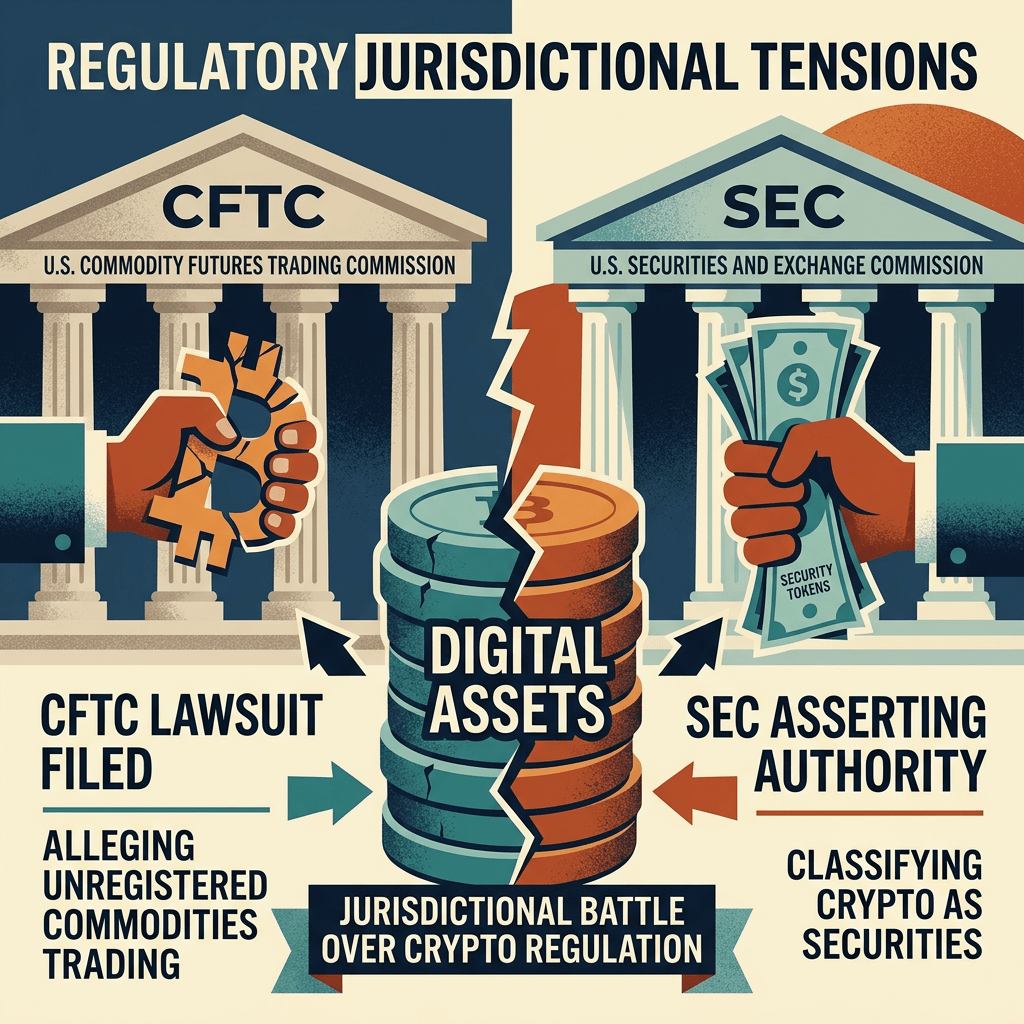
The CME’s Lawsuit Against the CFTC: A Worthy Read
The recent lawsuit filed by the Chicago Mercantile Exchange (CME) against the Commodity Futures Trading Commission (CFTC) presents a compelling narrative that is worth delving into for anyone engaged in the financial markets. This lawsuit sheds light on the complex and often contentious relationship between regulatory agencies and the exchanges they oversee.
While the CME’s case focuses on specific regulatory grievances, it is important to understand that these issues do not exist in a vacuum. The current state of the CFTC is significantly influenced by parallel developments at the U.S. Securities and Exchange Commission (SEC). As both agencies navigate their respective responsibilities in regulating financial markets, the implications of their actions could resonate far beyond their immediate jurisdictions.
The debasement of the CFTC cannot be seen as an isolated incident; rather, it reflects broader concerns within the financial community regarding regulatory consistency and coordination. The interplay between the CFTC and SEC is particularly critical in areas such as digital asset regulation, where the lines between futures and securities can become blurred.
In a landscape where exchanges like the CME seek clarity and fairness in regulatory practices, the ongoing dynamics between these agencies warrant close attention. Stakeholders across the board—traders, investors, and financial institutions—will be monitoring the outcomes of this lawsuit carefully, as it may establish important precedents affecting market stability and investor confidence.
The ramifications of this legal battle could reshape not only how financial products are regulated in the U.S. but also how similar disputes might be resolved globally. For anyone involved in trading or investing, understanding the nuances of the CME’s lawsuit against the CFTC, alongside the broader context of regulatory relationships, is essential in navigating the evolving financial landscape.
Read more via Financial Times
 Media Air Base LLC
Leave a comment