BP offloads US pipeline assets for $1.5bn
The deal in the Permian and Eagle Ford basins in Texas is the latest sale in a $20 billion divestment scheme aimed at reducing debt
Monday November 03 2025, 7.48pm GMT, The Times
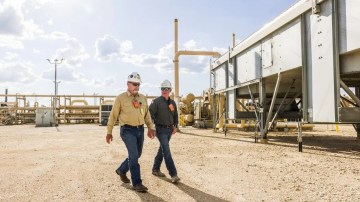
BP has agreed to sell minority stakes in some of its onshore oil and gas pipeline assets in the United States to Sixth Street, an investment firm, for $1.5 billion as part of its sell-off programme.
The deal, for pipelines and facilities in the Permian and Eagle Ford basins in Texas, is the latest sale in a $20 billion divestment scheme aimed at bringing down debt levels at the group.
• Business live — latest news as it happens
BP is one of the world’s biggest oil and gas producers, pumping the equivalent of 2.4 million barrels of oil per day last year. It has been under pressure from investors after an ill-fated foray into renewables hit profitability.
Once the US sale is completed, BP’s onshore oil and gas business in the country, Bpx Energy, will retain a 51 per cent stake in the Permian assets and 25 per cent in those at Eagle Ford. Bpx will remain the operator of all the assets, which connect wells to third-party pipeline systems, transporting the oil and gas to customers.
Josh Stone, a UBS analyst, called the announcement a “small positive” that is expected to bring down BP’s leverage ratio by about 1 per cent, with an estimated net income impact of between $100 million to $200 million.
Shares in BP closed up 5p, or 1.2 per cent, at 447½p on Monday.
In 2020, under former chief executive Bernard Looney BP announced a strategic shift into green energy with plans to cut its oil and gas output by 40 per cent this decade.
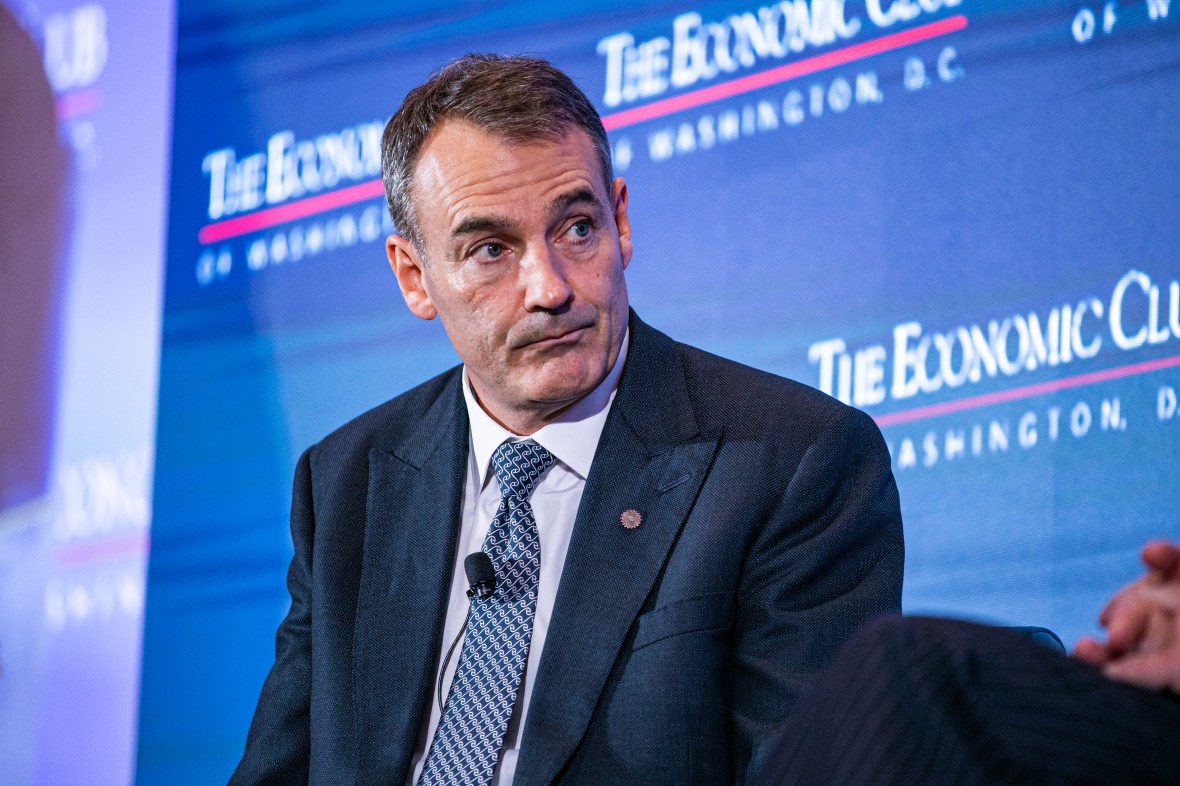
Bernard Looney’s strategy has been reversed
VALERIE PLESCH/BLOOMBERG/GETTY IMAGES
That pledge proved unpopular with investors and was watered down and then ditched altogether by Looney’s successor, Murray Auchincloss, who is now aiming to grow BP’s production. Earlier this year the group agreed a deal to sell its American onshore wind farms.
Meanwhile the oil price rose after Opec+ said it would delay production increases in the first quarter next year, helping to lift share prices in the sector. Shell was also among the risers.
Last week Shell, which is Europe’s biggest oil and gas company with a market capitalisation of £165 billion, continued to play down reports that it could bid for BP, its £70 billion rival, which analysts say is particularly exposed to a drop in oil prices due to its higher debt levels.
Brent crude, the global benchmark, averaged $69 a barrel in the third quarter, down from more than $80 a barrel in the same period a year earlier. Both Shell and BP have factored in a Brent price of $70 a barrel when setting their medium-term financial guidance.
Business newsletter
The business editor’s exclusive analysis of all the latest financial and economic news. Sign up with one click
Last month BP announced that one of its joint ventures was halting work on a project in America and laying off staff amid hostility to the offshore wind sector from President Trump’s administration.
Jera Nex BP, a 50:50 joint venture between the FTSE 100 group and Japan’s top power generator, said it did not see a viable path to develop its Beacon wind project off Massachusetts in the current environment and could not continue investing in the market.
BP is among a host of big names, including Orsted and Equinor, that entered the nascent US offshore wind sector only to get their fingers burnt by rising costs, regulatory setbacks and political opposition.
View this The Times article CLICK HERE
 Media Air Base, LLC
Leave a comment